Vented natural gas heaters provide reliable warmth while venting combustion byproducts outdoors, helping keep indoor air clean. When choosing a vented model, consider BTU output, the square footage you need to heat, and safety features like sealed combustion, oxygen depletion sensors, and reliable ignition. The following selections highlight well-rated vented options suitable for American homes, spanning wall heaters and larger unit heaters. The list also offers practical context for comparing vented designs with vent-free options to help you pick the right fit for your space.
| Product | BTU | Coverage | Type | Brand |
|---|---|---|---|---|
| Comfort Glow Direct Vent Wall Heater | 11,000 | 375 sq ft | Direct Vent | Comfort Glow |
| Ashley Hearth Direct Vent Wall Heater | 11,000 | 375 sq ft | Direct Vent | Ashley Hearth |
| Mr. Heater Big Maxx 80K BTU Unit Heater | 80,000 | 2000 sq ft | Vented Unit Heater | Mr. Heater |
| Dyna-Glo Infrared 30K Wall Heater | 30,000 | 1,000 sq ft | Infrared | Dyna-Glo |
| Mr. Heater Vent Free 20K BTU | 20,000 | 700 sq ft | Vent Free (Comparison) | Mr. Heater |
Comfort Glow Direct Vent Wall Heater
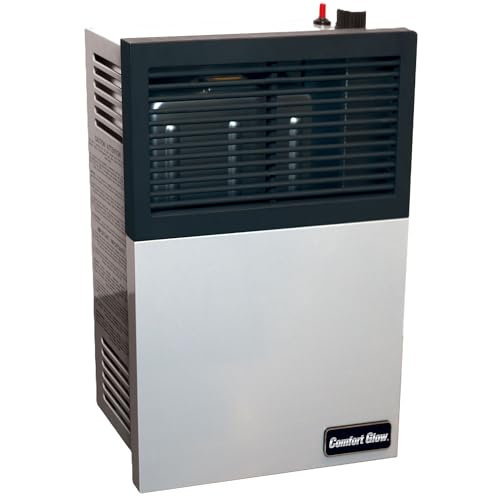
This 11,000 BTU vented natural gas heater heats up to about 375 square feet. It uses a sealed burn system with a Matchless Piezo ignition and a safety pilot with a built-in pressure regulator that stops gas flow if the pilot goes out. The space-saving design mounts on walls and measures 20 inches high, 17 inches wide, and 7 inches deep, making it suitable for bedrooms or living rooms where floor space is limited. The direct vent configuration exhausts outdoors, improving indoor air quality while delivering steady warmth.
Ashley Hearth Direct Vent Wall Heater

Ashley Hearth’s 11,000 BTU direct vent heater warms up to about 375 square feet. Designed for natural gas, it uses a sealed burn system ideal for bedrooms and living spaces. The unit integrates a reliable ignition and safety features, delivering consistent heat in compact rooms without drawing fresh air from indoors. Its vented design exhausts combustion gases safely, helping maintain interior comfort in areas that require steady, managed heat input.
Mr. Heater Big Maxx 80K BTU Unit Heater
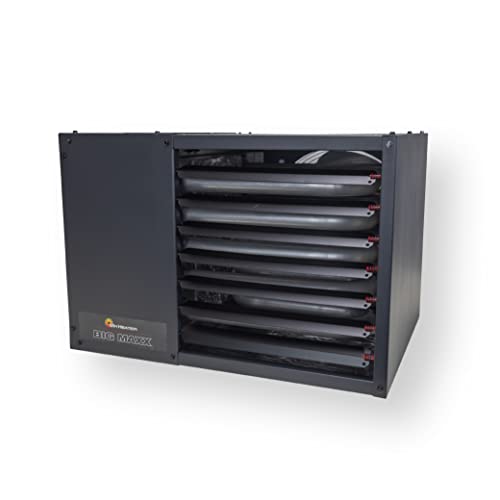
This vented natural gas unit heater delivers up to 80,000 BTU with coverage up to about 2,000 square feet. It is designed for use with natural gas and ships with two angle brackets plus a propane conversion kit; thermostat, hose, and regulator are not included. Its dimensions are approximately 29.33 inches long, 15.50 inches wide, and 26.37 inches high. This model supports vertical venting (Category 1) or horizontal venting (Category 3), making it suitable for larger spaces like garages, shops, or open-floor living areas requiring robust heat output.
Dyna-Glo Infrared 30K Wall Heater

The 30,000 BTU infrared wall heater provides radiant heat that warms objects and people directly, similar to how sunlight warms a space. It can heat up to about 1,000 square feet and is described as natural gas ready, with fuel conversion not permitted. Infrared heat is efficient for spot heating and for spaces where quick warmth is desired. This unit emphasizes comfort in living rooms, sunrooms, or family spaces that benefit from immediate warmth without relying solely on air movement.
Mr. Heater Vent Free 20K BTU
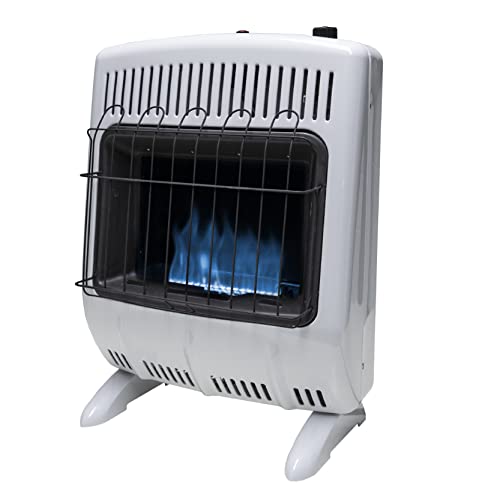
This 20,000 BTU vent-free blue flame heater provides convection heating for spaces up to about 700 square feet. It uses a blue flame burner to deliver efficient warmth with lower fuel consumption. The unit includes an adjustable thermostat and relies on a natural gas source. Its vent-free design allows flexible placement where vented options aren’t feasible, but it requires careful room sizing, CO2 levels, and compliance with local codes for safe operation in enclosed spaces.
Buying Guide
Ventilation Type
Direct-vent (outdoor venting) units maximize indoor air quality by exhausting combustion byproducts outside. Vent-free models push combustion byproducts into the room, which can affect air quality if used in poorly ventilated spaces. When heat is needed in small rooms, vented options are often preferred for safety, while larger spaces may balance cost with vent-free alternatives in well-ventilated areas.
Heat Output And Space Size
Choose BTU ratings that align with your space. A typical rule is 20 BTU per square foot for mild climates, more in colder climates. Larger spaces (like open-plan living areas or garages) may require higher BTU units (such as 80,000 BTU) or multiple units for even warmth. For smaller bedrooms, 10,000–12,000 BTU units often suffice when paired with proper insulation.
Installation And Venting Considerations
Direct-vent wall heaters save floor space and simplify installation, but may require vent routing to the exterior. Unit heaters provide robust heat for larger spaces but need proper mounting and clearance. Vent-free heaters are flexible for placement but demand adequate room ventilation and adherence to safety codes. Always observe clearance requirements and local ventilation rules before installing any gas heater.
Safety Features
Look for sealed combustion for reduced indoor air draw, oxygen depletion sensors, flame failure devices, and reliable ignition systems. A built-in regulator and pressure safety mechanisms help prevent gas flow if conditions change. Certifications from recognized bodies indicate safer, more reliable operation in American homes.
Controls, Efficiency, And Maintenance
Programmable thermostats, remote controls, and easy-to-read displays improve comfort and energy management. Infrared heaters can deliver rapid warmth with less overall airflow, while vented units may require regular vent maintenance to prevent buildup. Regular cleaning and professional inspections help maintain efficiency and safety over time.