Choosing the right underlayment for engineered hardwood floors is essential for comfort, acoustics, moisture control, and long-term stability. This guide highlights five top underlayments that excel with engineered wood, balancing vapor barriers, sound reduction, and installation versatility. Each option below is well-suited for floating, nail-down, or glue-down installations and works with radiant heat where applicable. Use this overview to compare capabilities and pick the best match for your space and installer preferences.
Summary table of selected products:
| Product | Brand | Coverage | Thickness |
|---|---|---|---|
| Roberts 70-198 Silicone Moisture Barrier Underlayment | ROBERTS | 200 sq ft | 6 mil |
| QuietWalk Underlayment (360 sq ft) | Quiet Walk | 360 sq ft | 3 mm |
| Roberts 70-115 Moisture Barricade Underlayment Film | ROBERTS | 120 sq ft | 6 mil |
| DURA-Son Premium Flooring Underlayment | Dura | 100 sq ft | 3.5 mm |
| PROTECH 400 sq ft 3-in-1 Underlayment | PROTECH USA | 400 sq ft | 3 mm |
Roberts 70-198 Silicone Barrier Underlayment

The Roberts 70-198 underlayment is designed for staple and nail-down installations of solid and engineered wood floors, while also supporting laminate and LVP. It provides a moisture barrier that reduces vapor flow without trapping moisture, which helps prevent mold growth and floor cupping. Lab testing confirms compatibility with radiant heat systems, making it suitable for homes with heated floors. The 6 mil thickness offers a robust layer of protection against subfloor moisture while maintaining sound performance under foot traffic.
In practice, this underlayment is versatile enough for multi-material flooring projects common in renovations. It helps stabilize floor height across rooms and preserves the natural feel of engineered wood by minimizing moisture-related movement. For installations in basements or above-grade spaces with humidity concerns, its moisture-resistant profile provides added peace of mind. The product is particularly advantageous when radiant heat is part of the home’s system, ensuring comfort without compromising vapor control.
Installation tips: roll the underlayment with seams offset and seal perimeters as directed. Nail-down or staple procedures benefit from a clean subfloor with no debris, while radiant heat installations should follow manufacturers’ guidelines for compatible mats and thermostat settings. This underlayment pairs well with engineered wood floors that require a stable moisture barrier without excessive stiffness that could transfer movement to the boards.
QuietWalk Underlayment (360 sq ft) – 3 mm

QuietWalk Underlayment provides a balanced mix of moisture protection, sound reduction, and installation versatility for laminate and hardwood floors. At 3 mm thick, it offers a solid base for floating installations while remaining flexible enough for nail-down or glue-down methods when required. The product is approved for floors with a pre-attached pad, which broadens compatibility with many modern flooring options and reduces the need for extra prep work. The integrated moisture barrier helps guard against subfloor vapor that could affect floor performance over time.
With QuietWalk’s focus on acoustics, this underlayment helps dampen impact noise, improving room comfort and perceived quality in busy living areas, bedrooms, and open-concept spaces. It’s particularly suitable for homes seeking a straightforward, widely compatible solution that also supports radiant heat where applicable. The 360 sq ft roll is well-suited for mid-sized rooms or multiple rooms in a single project, delivering consistent performance across spaces.
Installation notes: ensure the subfloor is clean and dry before laying, align sheets to minimize seams, and follow the manufacturer’s guidelines for pre-attached pad compatibility. For best results, stagger seams and avoid overlaps that can create lumps under the flooring. This underlayment is a practical, all-around choice for durable engineered hardwood installations requiring a reliable moisture and sound barrier.
Roberts 70-115 Moisture Barricade Underlayment Film

The Roberts 70-115 is a moisture barricade underlayment film designed for vinyl, laminate, SPC, and engineered wood flooring installations. It features a durable 6 mil thickness, which exceeds common NWFA requirements and provides strong vapor protection underfoot. The roll unfolds to a 10 x 12 foot area, making installation efficient in smaller rooms or when combined with other materials for larger projects. This underlayment is particularly effective where moisture concerns are high but a straightforward, economical solution is preferred.
Practical uses include protecting engineered wood floors in basements, laundry rooms, or spaces with high humidity. The 6 mil barrier helps prevent moisture migration from concrete slabs or damp subfloors from affecting the wood planks. It’s well-suited for DIY projects and professional installations alike, offering reliable vapor control without introducing excessive rigidity that could complicate floor leveling.
Installation guidance: lay the film smooth against the subfloor, seal seams properly, and avoid air gaps at edges. When used under radiant heat, verify compatibility with heating systems and follow product-specific guidelines to maintain heat distribution and moisture control. The barricade is a solid choice where multi-floor compatibility and moisture protection are priorities.
DURA-Son Premium Flooring Underlayment

DURA-Son Premium Underlayment is designed for laminate and engineered hardwood floors, emphasizing strong sound reduction and durable performance. Its 3.5 mm thickness provides substantial underfoot comfort and stability, helping to reduce impact noise and footfall transfer. The underlayment’s construction supports long-term durability and preserves the acoustical value of flooring projects in both residential and commercial spaces. This makes it a reliable choice for large living areas, multi-room renovations, or areas where quietness and comfort are priorities.
Its design focuses on maintaining floor integrity over time, resisting compression under furniture and heavy traffic. For engineered wood installations, the underlayment helps to preserve the floor’s natural feel by minimizing vibrations and movement that could otherwise separate boards over time. The product is suitable for projects seeking a balance of acoustic performance and lasting structural support.
Tips for use: prepare a clean, dry subfloor and ensure flatness to maximize the underlayment’s benefits. If applying over concrete, confirm moisture levels and follow the manufacturer’s instructions for seam sealing and perimeter isolation. DURA-Son is a practical option for homeowners prioritizing durability and a quieter space under engineered wood floors.
PROTECH 400 Sq Ft 3-in-1 Underlayment
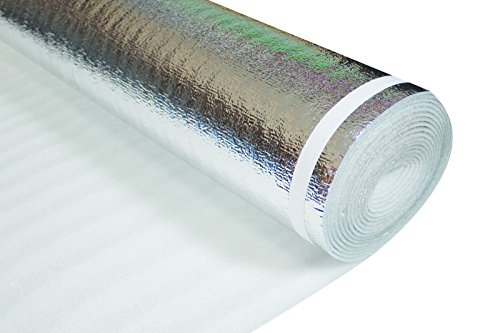
The PROTECH 3-in-1 Advanced Thermal / Acoustics Plus Foam Underlayment is designed for multiple flooring types, including laminate, vinyl, WPC, SPC, bamboo, engineered, and solid hardwood. It emphasizes acoustic quietness and warmth underfoot, helping feet feel warmer in winter and more comfortable in summer. The 3 mm rating contributes to a balanced feel underfoot and improved comfort, while the foam construction supports better insulation against both temperature changes and impact noise. This makes it a versatile choice for mixed-floor projects or spaces requiring both thermal and acoustical performance.
Engineered for comfort and efficiency, PROTECH emphasizes a combination of thermal insulation and sound dampening. For spaces with ground-level or higher-traffic use, this underlayment provides a practical solution that couples ease of installation with durable performance. It is suitable for homeowners seeking a single product that can cover multiple floor types without swapping underlayments mid-project.
Installation pointers: verify compatibility with your flooring method (floating, nail-down, or glue-down) and follow seam sealing recommendations. Ensure the subfloor is clean and dry, and avoid creating air pockets under large panels. The 3-in-1 design makes it a flexible choice when working with engineered hardwood and other floor materials in a single renovation.
Buying Guide: Key Purchase Considerations For Engineered Hardwood Underlayment
Choosing the right underlayment involves balancing moisture protection, sound reduction, installation method, and compatibility with engineered hardwood. Here are the main considerations to guide your decision:
- Engineered wood compatibility: Confirm that the underlayment explicitly supports engineered hardwood and preferred installation methods (floating, nail-down, or glue-down). Some products are optimized for multiple floor types and can simplify projects with mixed materials.
- Moisture and vapor control: For concrete slabs or damp environments, select a barrier with proven vapor resistance. The thickness of the barrier (measured in mils) and the presence of a moisture seal influence long-term stability and moisture migration.
- Thickness and acoustics: Thicker underlayments generally offer better impact sound reduction and draft insulation, but may affect board height and transitions. Evaluate the IIC (impact insulation class) and STC (speech transmission class) ratings if available, along with personal comfort expectations.
- Radiant heat compatibility: If you have radiant floor heating, ensure the underlayment is tested or approved for use with radiant systems. This helps maintain heating efficiency and prevents overheating or moisture buildup beneath the floor.
- Installation method: Floating floors benefit from flexible underlayments with good compression resistance, while nailed or glued floors may require thinner or film-based barriers. Consider the installer’s approach and the subfloor type (wood subfloor, concrete, or existing slab).
- Subfloor conditions: A smooth, dry, and clean subfloor is essential. Some underlayments emphasize self-sealing seams or tape systems to reduce moisture infiltration and ensure a uniform surface for the flooring.
- Pre-attached pad compatibility: If the flooring you choose includes a pre-attached pad, verify compatibility. This can simplify installation and improve overall comfort, but requires choosing an underlayment that can work with the pad’s performance.
- Durability and long-term performance: Look for compression resistance and durability claims that align with the expected traffic in your space. Commercial areas may demand higher durability than light residential use.
- Certifications and eco-friendliness: GREENGUARD Gold or other certifications can indicate low chemical emissions, contributing to healthier indoor air quality. Consider eco-friendly materials if sustainability is a priority.
- Cost vs. value: While price isn’t the sole indicator of performance, a higher-quality underlayment often pays off through reduced noise, improved moisture resistance, and better long-term stability.
Quick comparison At A Glance
| Product | Typical Coverage | Thickness | Notable Benefit |
|---|---|---|---|
| Roberts 70-198 | 200 sq ft | 6 mil | Moisture barrier with radiant heat support |
| QuietWalk Underlayment | 360 sq ft | 3 mm | Pre-attached pad compatibility and moisture protection |
| Roberts 70-115 | 120 sq ft | 6 mil | Vapor barrier for multiple floor types |
| DURA-Son Premium | 100 sq ft | 3.5 mm | Strong sound reduction and durability |
| PROTECH 3-in-1 Underlayment | 400 sq ft | 3 mm | Thermal and acoustic performance for multiple floors |
When evaluating these options, consider room-specific factors such as humidity, basement or crawlspace conditions, and whether the space is a high-traffic area or a quiet bedroom. While no single underlayment is perfect for every scenario, understanding the trade-offs between moisture control, sound dampening, and installation ease will help you select the best option for your engineered hardwood project. Always follow manufacturer guidelines for installation and consult with your flooring professional if you’re unsure about radiant heat compatibility or subfloor preparation.