Choosing toilet paper for a septic system requires balancing comfort, strength, and the health of your septic tank. The picks below emphasize septic safety, minimal chemical use, and reduced waste. They feature bamboo or unbleached fibers, PFAS-free formulas, and products designed for septic systems. In addition to paper, consider occasional septic maintenance products to protect your basement drain field. The quick-reference table below helps you compare key traits at a glance.
| Product | Brand | Type | Septic Note |
|---|---|---|---|
| Betterway Bamboo Toilet Paper | Betterway | Tissue | Septic safe, unbleached, PFAS-free |
| Gaia’s Premium Fruit Toilet Paper | GAIA’S | Tissue | Septic safe, PFAS/BPA-free |
| Birthday Printed Toilet Paper Gift | Printed TP | Tissue | Septic-tank approved design; recycled fibers |
| Septic Tank Treatment Pack | Cabin Obsession | Septic Treatment | Monthly flush packets; enzyme bacteria |
| CCLS Septic Tank Additive | CCLS | Enzyme/Additive | Non-toxic, biodegradable bacteria enzymes |
Betterway Bamboo Toilet Paper — Septic Safe

Betterway offers unbleached bamboo toilet paper with a premium 3-ply construction. The product emphasizes a natural brown, unbleached fiber that avoids harsh chemicals and PFAS. The double-texture weave aims to balance softness with durability, reducing breakage and lint. This tissue is designed for septic systems and for households seeking a more organic, lower-toxicity alternative to standard bathroom tissue.
- Unbleached & Non-Toxic: Natural bamboo without bleaching chemicals, formaldehyde, or PFAs. Environmentally friendlier and gentler on skin.
- Premium 3-Ply Softness: Triple-layer comfort, with a soft feel suitable for sensitive skin.
- Strength Meets Absorbency: Double-texture weave provides durability and thorough cleaning; lint-free.
In septic contexts, the unbleached fibers and absence of PFAs support a healthier tank environment by reducing potential chemical exposure. The 3-ply design minimizes usage while maintaining performance, which can help reduce overall flush volume while keeping surfaces clean.
Gaia’s Premium Bamboo Toilet Paper — Septic Safe

Gaia’s FruiTP presents a premium bamboo tissue with broader sheets and a thoughtful packaging approach. Each roll claims 370 sheets, roughly 20% more than many competitors, and emphasizes sustainable packaging and materials. The brand highlights PFAS and BPA-free properties, FSC certification, and plastic-free composition, aligning with septic-safe and eco-friendly values.
- 370 Sheets Per Roll; 20% More than many brands, providing longer-lasting rolls.
- PFAS & BPA Free; FSC Certified; Eco-friendly packaging and plastic-free design.
- Septic Safe & Vegan; Supports sustainable, cruelty-free practices.
For septic systems, the absence of PFAS and other harsh chemical residues reduces potential buildup in tanks and drains. The bamboo-based fiber also tends to be softer and stronger, which can encourage less waste per use and lower paper consumption overall.
Birthday Printed Toilet Paper Gift
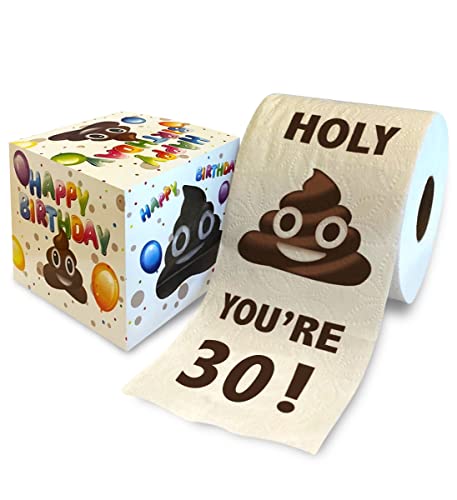
This novelty toilet tissue doubles as a humorous party favor while delivering functional paper. It uses recycled fiber and soy-based ink for prints, with a septic-tank-friendly claim. The roll is 2-ply and comes in a gift-ready box, making it a playful option for birthdays while staying mindful of septic considerations.
- Printed With Soy-Based Ink: Pigment durability and non-toxic printing that won’t run off easily.
- Recycled Fiber & Septic Tank-Approved: Eco-friendly and designed to be safe in septic systems.
- Includes Gift Box & 500 Sheets: Convenient, shareable gift suitable for humor-focused celebrations.
Note that while it is septic-tank approved, the primary appeal is novelty rather than daily use. Use as a fun addition to septic-conscious households or gifts, rather than as a sole daily tissue choice in high-volume households.
Halloween Printed Toilet Paper Beware

Printed TP Beware offers a spooky design for Halloween décor with a novelty 500-sheet roll. The design features skulls and a candle motif, designed to create a lighthearted fright, without asserting a direct septic-safety guarantee. It is primarily a gag gift and seasonal décor piece, suitable for adds-ons rather than everyday septic-use tissue.
- Unique Halloween Design; Scary gag for party décor.
- 500 Sheets; 2-ply construction for ordinary use and occasional pranks.
- Gift Box Included: Ready-to-give packaging for Halloween events or pranks.
For septic systems, choose it mainly as a seasonal accent. Regular septic-safe toilet paper should be used for daily needs to maintain tank health.
Printed Ocean Life Toilet Paper

This ocean-themed 2-ply tissue offers a sea-life design and gift-box packaging. The listing emphasizes novelty and decorative appeal, with 500 sheets per roll. While it suits thematic bathrooms or gifts, it does not explicitly state septic-safety features. Consider it as a décor piece or gag option rather than primary septic-safe paper.
- Sea Life Design on Tissue; Gift Box Included.
- 2-Ply; 500 Sheets per Roll.
- Ideal for Nautical Decor or Gag Gifts.
For septic health, balance novelty products with proven septic-safe paper options. The additional purchases should complement daily-use tissue rather than replace it in a septic system.
Buying Guide
Key Purchase Considerations
Septic systems benefit from tissues that are biodegradable, low in harsh chemicals, and lint-free. Look for bamboo or unbleached fibers, PFAS-free formulas, and products specifically labeled as septic-safe. Ply count affects comfort and the amount of paper used per wipe; higher ply offers softness but may require less per use. Packaging and ink should be environmentally friendly if possible, especially for households seeking sustainable choices.
Septic System Compatibility
Choose products that minimize solid buildup and chemical exposure in the septic tank. Unbleached or bamboo tissues reduce chemical load, while septic-safe labeling suggests compatibility with household septic systems. Avoid products that advertise flushability if they are not clearly tested as septic-safe, and consider routine septic maintenance to support tank health.
Material and Comfort Trade-Offs
Ply count (2-ply vs 3-ply) and material (bamboo, unbleached paper, recycled fibers) influence softness, strength, and waste. In septic contexts, balance comfort with the goal of reducing flush volume while maintaining effective cleaning. Bamboo options often combine comfort with a lower environmental impact, while unbleached fibers can appeal to those avoiding chlorine-derived chemicals.
Brand Transparency and Certifications
Look for brands that clearly communicate septic safety and absence of PFAS, formaldehyde, or chlorine-processing residues. Certifications like FSC (for sustainably sourced wood) and explicit statements about biodegradability help consumers assess environmental impact. Packaging that minimizes plastic use also aligns with eco-friendly septic care values.
Maintenance and Practical Tips
Even with septic-safe tissue, routine septic maintenance remains important. Consider periodic septic treatments to support microbial activity and enzyme breakdown of solids, especially in households with higher toilet paper usage or aging systems. Avoid flushing non-paper items (wet wipes, sanitary products), and flush small amounts to prevent tank overload. Regular inspections help detect slow drains or odors early, reducing the risk of backups.