Ceiling texture can dramatically alter a room’s look while influencing acoustics and durability. From roll-on textures to sponges, brushes, and tile systems, the right choice depends on your ceiling material, maintenance expectations, and skill level. This guide highlights five dependable Amazon options that cover common ceiling texture approaches, from hands-on stippling with brushes to knockdown finishing sponges and durable decorative tiles. Each selection is chosen for practical use in American homes, availability, and documented features. Use the quick comparison table to scan essentials at a glance, then explore detailed product sections for application tips and considerations.
| Product | Brand | Best For |
|---|---|---|
| ToolPro 8-Inch Horse Hair Stipple Brush | TOOLPRO | Ceiling texture with natural horsehair patterns |
| Lobo Tools 8-1/2″ Tampico Shag Stipple Brush | Lobo Tool Company | Consistent stomp textures on ceilings |
| 9-Inch Crow’s Foot Pattern Texture Roller | Stitokg | Wide, even texture patterns |
| Patelai Knockdown Texture Sponge (2 pieces) | Patelai | Knockdown texture patches and repairs |
| Armstrong Random Textured Ceiling Tiles (2×4) | Armstrong | Ready-to-install textured ceiling tiles |
ToolPro Horse Hair Stipple Brush For Ceilings

The ToolPro 8-Inch Horse Hair Stipple Brush is designed specifically for ceiling and drywall texturing. Its horsehair bristles create varied, natural-looking stipple patterns that adapt to different finishes. The brush is pre-cut and pre-formed, with a geometrically designed profile that promotes consistent results across large ceiling areas. It is intended for texturing work, not for applying joint compounds to walls or ceilings, helping prevent buildup and uneven coats. For best results, practice on a scrap area or test panel, maintain a steady wrist motion, and clean bristles after use to extend life.
Lobo Tampico Shag Ceiling Stipple Brush

Durable Tampico filaments provide a stiffer, more controlled texture than horsehair, making it a reliable choice for consistent stomp patterns on ceilings. The brush features a pre-formed, pre-flattened design that helps deliver uniform impressions with each pass. The polypropylene block resists rot and chipping, extending the tool’s lifespan in busy job sites. Use it to create classic stipple or stomp textures by applying a base coat of texture compound and then tapping to achieve the desired depth.
Because the Tampico brush is intended for texture work, avoid applying thick coatings with it. Clean promptly after use to prevent residue buildup, and store with bristles flat to maintain shape. Test patterns on sample boards to calibrate pressure and rotation, ensuring even coverage across ceilings.
Crow’s Foot Texture Roller For Ceilings
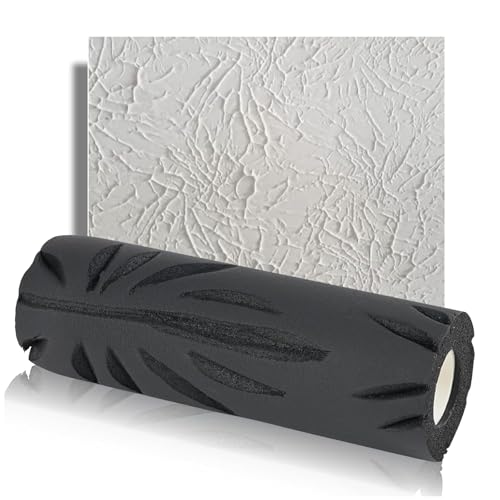
Crow’s Foot texture roller offers wide coverage with a 9-inch width, enabling deep, consistent patterns on walls and ceilings. The ergonomic design reduces fatigue and helps DIYers achieve professional-looking textures with less effort. The tool is advertised for no-skill-needed application, making it suitable for beginners as well as contractors. Use it with latex-based textures or joint compound with a uniform pressing pattern to create a distinctive crow’s-foot finish across larger areas.
Best practice includes testing on a sample area, maintaining a steady pace, and rotating the roller to avoid pattern buildup. Clean the roller after use and store it in a dry place to prevent texture from drying on the surface.
Patelai Knockdown Texture Sponge Set

Patelai’s knockdown texture sponge comes as a compact 2-piece set designed for small repairs and patching, blending with existing textures. The sponge helps achieve a knockdown effect on drywall ceilings, offering a DIY-friendly option that can save time vs. calling a professional. Instructions are included to guide beginners through the technique. The kit emphasizes ease of use and mess reduction, helping users apply texture without heavy tool setups.
Care and re-use: rinse after use, allow to dry fully, and store in a cool place to maintain sponge integrity.
Armstrong Random Textured Ceiling Tiles

Armstrong’s 2×4 random textured ceiling tiles offer a ready-to-install ceiling finish in acoustic white panels. Designed for suspended grids, these tiles install without glue, nails, or staples and fit standard 15/16″ grids. The textured surface helps diffuse sound between rooms and reduces noise transfer while maintaining a durable, replaceable surface. With a tongue-in-groove design and a white finish, these tiles are compatible with most existing grid systems and provide a quick way to refresh or upgrade ceiling texture.
Buying Guide
- Texture type and finish: Choose between spray/roll textures, hand-applied stipple or stomp textures, knockdown textures, and tile-based textures. Brushes and rollers are best for controlled, custom looks; knockdown sponges suit smaller repairs; tiles offer acoustic benefits and rapid installation.
- Ceiling material compatibility: Drywall responds well to brushes, rollers, and sponges; porous ceilings or existing textured surfaces may require patching or prep work before applying new texture.
- Ease of use and learning curve: For beginners, tools advertised as “no-skill-needed” or kits with clear instructions can reduce the learning curve. Sponges and knockdown techniques are often more forgiving than freehand spraying.
- Maintenance and durability: Tools with rot-resistant blocks (like polypropylene) and brushes with durable bristles last longer in busy work environments. Tiles offer long-term durability and easier replacement if damaged.
- Cost and availability: Consider whether you prefer a set of sponges for patches, a reusable brush, or a kit that includes multiple textures. Availability on major e-commerce platforms influences lead times and replacement parts.
- Project scope and timelines: For large ceilings, a wide-roller or multiple tiles can speed up application. For accent areas or ceilings with irregular shapes, smaller brushes or patch sponges provide better control.
- Safety and ventilation: Texturing compounds can release dust or fumes; ensure proper ventilation and wear protective gear when sanding or drilling into textured surfaces.
- Maintenance routine: Clean tools promptly after use to extend life. Store brushes flat or with bristles supported to maintain shape; air-dry tiles before reinstalling in grids.
- Comparative decisions: If you need quick results with acoustics, tiles may be best. For DIY texture patterns, a combination of brushes, rollers, and sponges offers flexibility without specialized equipment.