Finding the right tawa can elevate daily Indian flatbreads, from roti to paratha. The best options combine even heat distribution, durable construction, and practical handling. This guide reviews five top-tapped choices that balance traditional design with modern performance, helping you choose a tawa that suits gas stoves, electric coils, or induction. Each option here aims to deliver consistent results, whether you’re making soft rotis, crispy parathas, or versatile dosas and bhakaris.
| Product | Brand | Size | Key Feature |
|---|---|---|---|
| Amicus Iron Tawa | amicus | 10 Inch | Traditional iron surface with modern riveted handle |
| Vinod Black Pearl Hard Anodised Tawa | Vinod | 26.5 cm | Even heating and toxin-free surface |
| Vinod Zest Plus Die Cast Aluminium Non Stick Tawa | Vinod | 28 cm | 5 mm thickness for fast, uniform cooking |
| Hawkins Futura 24 cm Roti Tava | HAWKINS | 24 cm | Hard anodised, induction-ready for quick heating |
| Redchef Crepe Pan Nonstick 10 Inch | Redchef | 10 Inch | PFAS/PTFE/PFOA-free ceramic coating |
The selection below focuses on five widely compatible options that cover iron, hard-anodised aluminum, and non-stick trends. Each entry emphasizes core strengths like heat distribution, durability, and ease of maintenance to help you compare at a glance.
Amicus Iron Tawa For Roti And Paratha

The Amicus Kitchen Premium Iron Tawa combines a smooth concave surface with a traditional wooden handle. Designed for everyday use on gas stoves and electric coils, this 10-inch tawa suits roti, phulka, chapati, paratha, bhakari, and even quick eggs or sautéed dishes. Its surface is formed from hot-rolled iron sheets, lending a natural iron content that many cooks value. The tawa is 2.5 mm thick and weighs about 1.2 kg, providing a sturdy feel without becoming unwieldy. The three rivets securing the handle reinforce durability for regular use.
In cooking terms, the iron surface tends to retain heat well and distribute it evenly across the concave shape, helping to produce uniform thickness and texture in flatbreads. For households prioritizing traditional cookware that aligns with classic Indian kitchen workflows, this model offers a practical balance of form and function. Routine care typically involves thorough drying after washing and light maintenance to sustain the patina that contributes to flavor over time.
Vinod Black Pearl Hard Anodised Tawa

The Vinod Black Pearl Hard Anodised Tawa offers a hard anodised, toxin-free cooking surface that heats evenly and quickly. With a 26.5 cm diameter, this tawa is designed to shrug off high heat without staining or reacting with food. Its durability makes it a strong fit for daily use on both gas stoves and induction setups that support hard-anodised cookware. The hard anodised layer enhances resistance to scratches and wear, helping preserve the surface’s non-reactive quality for roti, paratha, and quick pan-fried dishes.
From a safety perspective, the non-toxic, non-staining properties of the anodised coating are key advantages, especially for households prioritizing cleaner cooking surfaces. The tawa’s robust construction supports long-term use, while its even heating helps minimize hot spots that can lead to uneven roti edges. While some users may notice a slight weight due to the dense aluminium alloy, the result is dependable performance across a variety of heat sources.
Vinod Zest Plus Die Cast Aluminium Non Stick Tawa

The Vinod Zest Plus Die Cast Aluminium Non Stick Tawa is notable for its 5 mm thickness, which supports faster cooking and strong heat retention. It promises even heating across the surface, reducing the risk of undercooked centers or burnt edges. The tawa is compatible with both gas stoves and induction cooktops, broadening its versatility in modern kitchens. The die-cast aluminum core paired with a non-stick coating provides a balance of light handling and easy food release, making roti, paratha, and dosa preparation more convenient for busy households.
Users may appreciate the combination of speed and uniformity this tawa offers, especially when preparing multiple breads in sequence. The cookware’s robust build helps maintain steady temperatures under frequent use. Cleaning tends to be straightforward thanks to the non-stick surface, though routine care should avoid abrasive tools to preserve longevity. Overall, it stands as a solid, mid-weight option for households seeking efficient, even-cooking performance.
Hawkins Futura 24 cm Roti Tava

The Hawkins Futura 24 cm Roti Tawa is built from hard anodised aluminium, designed to resist pitting, tarnishing, and corrosion. This tawa accommodates heavy gauge use while maintaining a balanced feel that makes cooking roti, chapati, dosa, and tortillas efficient and predictable. The hard anodised surface is non-toxic, non-staining, and non-reactive with foods, which helps keep flavors pure. It also features thermal efficiency, heating fast and evenly without being ruined by high heat.
Hawkins emphasizes durability and simplicity, making it a practical option for households that rely on routine flatbread production. Induction compatibility adds to its appeal in kitchens with modern or hybrid setups. While heavier than some non-stick options, the heat retention and even distribution can yield consistently soft rotis with minimal oil use. Regular cleaning and dry storage help extend its life and preserve performance across seasons.
Redchef Crepe Pan Nonstick 10 Inch

Redchef’s Crepe Pan Nonstick is a 10-inch ceramic-coated skillet designed for dosa, roti, and tortilla-style flatbreads. The non-stick ceramic coating is PFAS, PTFE, and PFOA-free, reducing concerns about harmful leachables. The pan is noted for its lightweight construction, making flipping and turning easy, while remaining compatible with induction cooktops. Its smooth surface supports delicate crepe work and thin roti edges, minimizing sticking and tearing for quick, even results.
In terms of versatility, this pan can handle a variety of cooking tasks beyond flatbreads, including pancakes and other sautéed dishes. The ceramic coating typically requires gentler cleaning, and its non-stick performance tends to degrade slower with proper care. Users seeking a low-maintenance, induction-ready option that avoids synthetic coatings will find this pan appealing, especially for households that frequently prepare thin dosas or crepes alongside roti and paratha.
11-Inch Cast Iron Roti Tawa
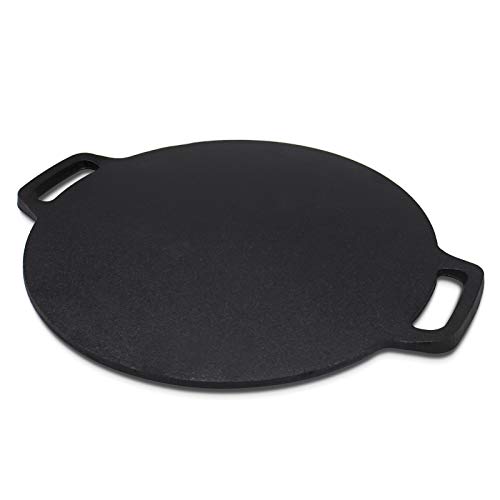
The 11-Inch Cast Iron Roti Tawa by Brightalk provides classic cast iron performance with dual handles for secure lifting and flipping. Cast iron is renowned for heat retention and even distribution, which can yield consistently soft rotis with careful preheating. The double-handled design supports stable handling on various heat sources, including gas stoves and campfires. While heavier than modern aluminum or non-stick pans, cast iron offers long-term durability when seasoned and cared for properly.
For households prioritizing traditional cooking with durability, this tawa offers a straightforward, time-honored approach. It’s well-suited for those who enjoy high-heat searing and long preheating to ensure uniform expansion of roti dough. Maintenance involves regular drying and occasional oiling to preserve the seasoning layer, which helps create a natural non-stick surface over time. This model complements a spectrum of cooking methods beyond roti, including dosas and flatbreads cooked over open flames.
P-TAL Brass Roti Tawa

The P-TAL Brass Roti Tawa stands out for its handcrafted brass construction and a hammered finish. Brass is a highly conductive metal, which can support even heat distribution and efficient cooking. With a 10-inch diameter and a weight around 1.12 kg, this tawa blends durability with a distinctive aesthetic. The insulated heat-resistant handle adds comfort and reduces burn risk during flipping and turning. The health-conscious design emphasizes nutrient preservation, positioning brass as a traditional alternative with modern cooking benefits.
Brass cookware delivers a different cooking experience, often requiring less oil to achieve even browning. The tawa’s even heat distribution helps minimize hot spots, promoting uniform roti shapes and textures. As with any uncoated metal pan, seasoning and careful cleaning help maintain longevity and flavor, especially for frequent use in family kitchens. For cooks seeking a premium, handcrafted option with a cultural touch, this brass tawa provides a unique blend of heritage and performance.
Buying Guide
Material And Heat Distribution
Materials strongly influence performance. Cast iron retains heat well and can deliver exceptionally even cooking once seasoned, but it is heavier and slower to heat. Hard anodised aluminum offers a balance of durability and quick heating with good heat distribution, while non-stick coatings reduce sticking but may wear over time. For roti and paratha, even heating across the surface ensures uniform thickness and texture, reducing the need for extra oil. If you frequently cook at high heat or in professional-style settings, hard anodised and cast iron options tend to be more robust choices.
Induction Compatibility
Induction compatibility expands a tawa’s usefulness. In the selections above, Vinod Zest Plus Die Cast Aluminium Non Stick Tawa explicitly notes induction compatibility, as do several Hawkins and Redchef models. If your kitchen relies on induction stoves, prioritize cookware labeled induction-ready. For gas-only kitchens, you can opt for traditional iron or cast iron without concern. Induction-capable options often carry a slightly different heat response, so test timing and heat settings to achieve even roti thickness across all sections of the pan.
Thickness, Weight, And Handling
Thickness affects heat retention and cooking speed. A 2.5 mm iron tawa is lighter and easier to handle, while 5 mm aluminum versions heat quickly and stay flat under load. Weight influences maneuverability; lighter options reduce fatigue during busy cooking sessions, while heavier pans can stabilize heat for consistent results. Wooden or insulated handles enhance grip and safety, particularly when flipping roti over the flame. Consider your comfort level, stove type, and typical batch size when weighing these trade-offs.
Maintenance, Cleaning, And Safety
Maintenance varies by material. Non-stick coatings simplify cleaning and limit sticking, but may require gentler care to extend life. Hard anodised surfaces provide strong durability with less risk of staining and corrosion, meaning less frequent reseasoning. Cast iron demands regular seasoning and thorough drying to prevent rust, yet it offers a natural non-stick feel as it builds patina. Copper-brass cookware is elegant but often requires more careful maintenance to preserve its finish. Choose a material that matches your upkeep willingness and safety preferences.
Size Options And Versatility
Roti and paratha practices span various sizes, from 10-inch to 12-inch ranges. A 24–26 cm tawa suits standard家庭 portions, while a 28–31 cm pan supports larger batches. If you frequently cook for a family or host gatherings, selecting a larger diameter can reduce turnaround time. Some tawas are multi-purpose, handling dosas and crepes as well as flatbreads. Consider your typical recipes, stove space, and whether you prefer a single versatile pan or a set of size-specific skillets.
Value, Warranty, And Longevity
Value often reflects material quality, heat performance, and longevity. Traditional iron may offer decades of use with proper care, while hard anodised aluminum often carries longer warranties and easier maintenance. Non-stick options typically require careful use and replacement after coating wear. When evaluating options, balance upfront cost against expected lifespan, maintenance needs, and your kitchen’s cooking styles. A well-chosen tawa can become a staple in daily meals for years to come.