Side sleepers often need pillows that keep the head, neck, and spine properly aligned without lifting the head too high or letting it sink too low. The following selections prioritize neck support, breathable materials, and adjustable options that help maintain a straight spine throughout the night. Each pillow here is crafted by trusted brands and designed to address common side-sleeper concerns such as shoulder pressure, temperature regulation, and durable support. Use the quick comparison table below to scan core traits before diving into detailed product insights.
| Product | Filling | Key Benefit | Size |
|---|---|---|---|
| Beckham Hotel Collection Down Alternative Pillows | Down alternative | Cool, breathable comfort for side, back, or stomach sleepers | Standard/Queen (set of 2) |
| Utopia Bedding Gusseted Pillows | Poly fiber filling | Gusseted design adds stability and shape retention | Queen Size (set of 2) |
| Cozyplayer Hollow Contour Pillow | Memory foam | Ergonomic neck support with multiple contour zones | Standard / Queen (per product) |
| Sidney Sleep Adjustable Contour Pillow | Shredded memory foam | Fully adjustable height and firmness | Queen |
| Osteo Hollow Cervical Memory Foam Pillow | Memory foam | Hollow center cradles the head for spinal alignment | Standard / Queen (varies by listing) |
Beckham Hotel Collection Down Alternative Pillows

The Beckham Hotel Collection pillow uses a 250-thread-count cover and a soft down-alternative fill, delivering a plush yet responsive feel suitable for multiple sleeping positions. The textile sourcing emphasizes safety, with OEKO-TEX certificated production, helping to ensure materials meet high standards for comfort and environmental responsibility. For side sleepers, the pillow’s medium loft helps maintain neck alignment while cushioning the shoulder region, mitigating hotspots common with firmer cores.
In practical use, this pillow excels for cooling and breathability, making it a solid option for warm sleepers who still want support. The cover and fill combine to offer pressure relief without excessive spring or stiffness. While designed to accommodate back, stomach, or side sleepers, side sleepers may particularly appreciate its gentle contour that supports the neck line without collapsing under pressure.
Utopia Bedding Gusseted Pillows

These Utopia pillows feature a gusseted design with white piping and double stitching, which contributes to a more structured shape that doesn’t flatten easily. The queen-size pillows provide ample head, neck, and shoulder support, making them well-suited for side sleepers who want reliable loft without excessive stiffness. The poly-fiber filling delivers a plush, compliant feel that conforms to your profile while maintaining a modest resilience for a full night’s rest.
Durability and craftsmanship stand out here, with a focus on long-term comfort. The gusset helps preserve the pillow’s loft across many nights of use, so sleepers don’t wake with a misaligned neck. This option suits those who prefer a traditional pillow feel with enhanced edge support and a crisper overall silhouette, which can contribute to less shoulder compression for side-sleeping positions.
Cozyplayer Hollow Contour Pillow

Cozyplayer’s pillow combines a hollow concave design and a 15-degree tilt to cradle the head while preserving the neck’s natural curve. The six contour zones are purpose-built to address targeted pressure points, offering expanded support to the neck, shoulders, and arms. The pillowcase uses a Q-Max 0.4 Arc-Chill cooling fabric and a high-breathability memory foam core (98% breathable), which together promote cooler sleep and reduce nighttime sweating. This makes it particularly appealing to hot-side sleepers who still need structural neck support.
Users who prefer a shape that supports side-sleep stability will appreciate the neck alignment this pillow provides. The memory foam possesses CertiPUR-US credentials and is designed to be non-toxic and odorless, contributing to a more stable sleep environment. While the feature set emphasizes cooling, the ergonomic features also address stiffness and neck tension that can arise from side-sleeping with less tailored support.
Sidney Sleep Adjustable Contour Pillow

Sidney Sleep offers an adjustable shredded memory foam pillow that lets you tailor firmness and loft by adding or removing filling. The pillow is designed with side and back sleepers in mind, featuring a curved cervical neck shape and extra fill included to fine-tune height. This flexibility makes it adaptable to different shoulder widths and neck lengths, helping maintain alignment as you switch positions during the night.
What sets Sidney Sleep apart is its user-driven customization. The ability to adjust both height and firmness makes it easier to achieve the ideal balance between neck support and head comfort, reducing the risk of neck strain for long nights. It’s particularly suitable for those who want a pillow that grows with their preferences or changes in sleep routine over time.
Osteo Hollow Cervical Memory Foam Pillow
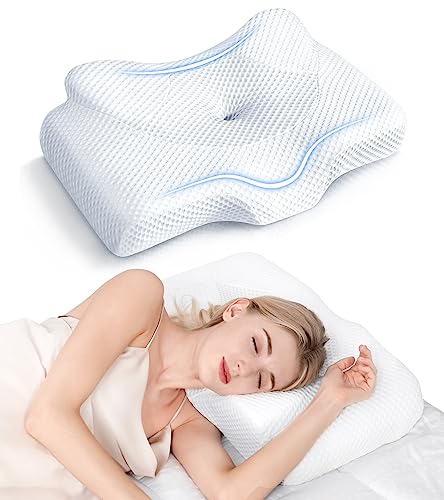
Osteo’s cervical memory foam pillow features a distinctive hollow center intended to cradle the head and support the natural cervical curve. The design aims to maintain proper vertebral alignment, promote healthy blood flow, and relieve muscle tension—benefits particularly relevant to side sleepers who experience neck stiffness overnight. The pillowcase uses a cooling 3D mesh fabric to facilitate airflow, helping keep the sleeping surface cooler. Certifications include CertiPUR-US and OEKO-TEX, underscoring a focus on safety and quality of materials.
With its patent-pending hollow center, Osteo targets distraction-free sleep by reducing pressure points and encouraging a stable, side-friendly position. The pillow works across side, back, and even stomach sleeping postures, though its contour is especially helpful for side sleepers seeking a maintainable neck angle without sacrificing comfort.
Buying Guide
Choosing the right pillow for side sleeping involves balancing loft, support, and cooling. Below are key considerations and how the featured options compare across these criteria.
- Loft and alignment: Side sleepers generally benefit from medium to high loft to keep the neck aligned with the spine. Pillows with contour zones or adjustable fills help tailor height to your unique shoulder width and neck length.
- Filling and feel: Memory foam pillows (including hollow or shredded memory foam) offer steady support and pressure relief but can retain heat if not designed with cooling features. Down-alternative and high-quality poly-fiber fillings provide a softer, more breathable option with varying levels of sink-in comfort.
- Cooling and breathability: Look for breathable covers, cooling fabrics, or design features like hollow centers and arc-chill technology that promote air flow to prevent night sweats.
- Adjustability: Pillows with adjustable fill or dual-height sides let you dial in the exact loft, which is particularly valuable for side sleepers who frequently shift between positions or experience shoulder tension.
- Materials safety and certifications: Certifications such as CertiPUR-US and OEKO-TEX indicate attention to low emissions and safe materials, important for long-term use and skin sensitivity concerns.
- Maintenance and care: Removable, washable covers simplify cleaning and help extend pillow life. Some fillings recoup shape after washing better than others; check care instructions for each model.
- Size and compatibility: Queen and standard sizes dominate this category; consider your pillowcase compatibility and whether you want a set (two pillows) for symmetric support on both sides of the bed.
- Durability and warranty: Gusseted designs and higher-quality memory foams tend to resist flattening longer, which is beneficial for nightly use over years.
In sum, side sleepers should prioritize pillows with stable loft, neck support, and breathable materials. The Beckham, Utopia, Cozyplayer, Sidney, and Osteo options above offer a range of fillings and design features to match different comfort preferences and sleeping environments. When evaluating, consider how you usually sleep most nights (side versus back), whether you tend to overheat at night, and how much adjustability you need to maintain alignment across different positions.