Hard water can cause mineral buildup, cloudy dishes, and mineral spots on glassware. The right salt can soften water, protect appliances, and improve taste and cleanliness. This guide compares popular salts designed for home water softeners and dishwashers, helping American households choose an option that pairs with their system and budget. The selections below cover pellet, solar, and dishwasher salts to address a variety of needs, from whole-house softening to appliance-specific use.
| Product | Brand | Salt Type | Pack Size | Key Benefit |
|---|---|---|---|---|
| (3 Pack) Clean And Protect Water Softener Salt | Generic | Pellet/Crystalline blend | 120 lbs total (3 × 40 lb) | Extends appliance life; reduces hard water build-up |
| All Natural Solar Salt 50 Lb | Snow Shield | Solar salt (natural crystal) | 50 lbs | High purity; cost-effective hard water treatment |
| Finish Dishwasher Salt 2 Kg | Finish | Dishwasher salt | 2 kg | Softens water in dishwashers; reduces limescale |
| IMPRESA Dishwasher Salt for Hard Water 4.4 lb | IMPRESA | Coarse-grain dishwasher salt | 4.4 lb | Pure, additive-free; broad compatibility with major brands |
| 2 Pack Water Softener Salt Pellets – Clean and Protect Plus Rust Defense | Generic | Pellets | 80 lbs total (2 × 40 lb) | Removes iron; reduces rust stains; protects fittings |
(3 Pack) Clean and Protect Water Softener Salt

The (3 Pack) Clean and Protect Water Softener Salt comes in three 40-pound bags, totaling 120 pounds. This product is designed to be a practical, all-purpose option for households using gravity-fed or ion-exchange water softeners. The blend is marketed to deliver softened water while helping to prevent mineral buildup inside the brine tank and plumbing. Consumers can expect softer water for dishwashing and bathing, with easier resin regeneration benefiting overall system efficiency.
Key features emphasize enhanced cleaning: Softer water improves soap and detergent performance, leaving dishes with fewer water spots and hair and skin feelings that are smoother after baths. The salt is described as protecting pipes and appliances by limiting hard water deposits that can shorten equipment life. For households with frequent mineral scale or high iron levels, this option provides a balanced approach to both water quality and appliance maintenance.
Choosing this salt can be advantageous for buyers seeking a straightforward, multi-bag option that reduces the frequency of brine tank replenishment while contributing to extended equipment life. As with any salt, users should monitor resin bed clarity and refill on a schedule aligned with household water hardness and the softener’s regeneration cycle.
All Natural Solar Salt For Water Softeners

Snow Shield All Natural Solar Salt is a premium-grade salt designed for water softeners. Sold in a 50-pound bag, it is produced through a sun, wind, and time-based natural process intended to yield a high-purity product. The salt pellets are coarse and advertised at 99.6% purity, presenting a clean option that minimizes added impurities in the brine. Solar salt is often favored for its natural sourcing and cost-effectiveness relative to other additives or substitutes.
Purity is a central selling point: 99.6% pure salt reduces the likelihood of residues that could affect resin performance or water taste. The natural production method is highlighted as an environmentally conscious approach to salt production, appealing to households seeking minimal processing. Compared with potassium chloride, solar salt typically offers a lower-cost solution for frequent softener use, though compatibility with specific softener models should be confirmed in the user manual.
For households facing higher operating costs or those prioritizing natural product claims, solar salt provides a straightforward option. However, users should consider the longer-term disposal needs and regional salt availability when choosing the most cost-effective approach for their water hardness profile.
Finish Dishwasher Salt For Softeners

Finish Dishwasher Salt is formulated specifically to soften water within dishwashers and prevent limescale buildup. The product is highly purified, with a stated 99% purity, and is marketed as providing better protection for dishwashers against mineral deposits that can reduce efficiency and leave stubborn residue on dishes.
Using dishwasher salt can help maintain optimal spray arm performance and heating efficiency by keeping brine tanks and resin elements free from scale. This option is particularly suitable for households that run frequent loads of dishes and rely on dishwashers to perform at peak cleanliness. While some users will notice improved glass clarity and reduced spotting, the key is proper installation and regular salt replenishment according to the appliance’s manual.
IMPRESA Coarse-Grain Dishwasher Salt

IMPRESA Dishwasher Salt for Hard Water is a coarse-grain salt designed for dishwasher use, offering additive-free purity. This product emphasizes a very coarse grain that dissolves slowly, which can be helpful for maintaining steady brine levels in compatible dishwashers. The description highlights broad compatibility with brands like Bosch, Miele, Whirlpool, and Thermador, including models that require salt in dedicated reservoirs.
Pure salt without additives is a key selling point for households seeking predictable performance and minimal residue. The product claims to deliver a cleaner wash by reducing limescale, watermarks, and spotting on dishes. It is important to verify that your dishwasher has a salt reservoir and that you use the correct salt type specified by the manufacturer to maximize results.
Water Softener Salt Pellets – Clean and Protect Plus Rust Defense
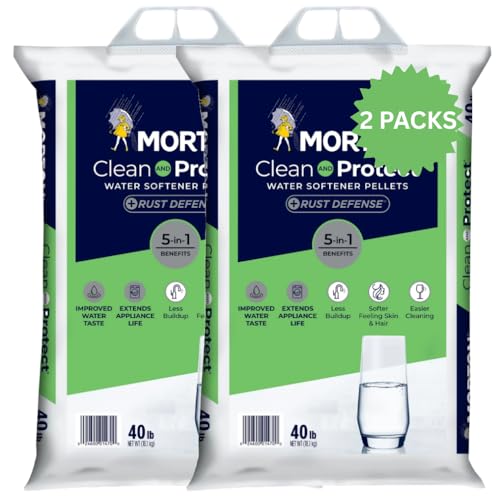
This product includes two 40-pound bags (80 pounds total) of water softener salt pellets designed to remove excess iron and reduce rust staining. The salt is formulated to improve water taste and quality by minimizing iron-related odors and discoloration, while also protecting pipes and appliances from mineral buildup that can occur with hard water.
Iron removal is a standout feature here, with the claim of reducing rust stains on fixtures and surfaces such as sinks and toilets. This type of salt can be a strong choice for homes with visible iron in the water supply, though the degree of iron reduction depends on the water hardness and iron concentration. As with all salt products, regular monitoring of the brine tank and resin bed is recommended to maintain soft-water performance.
Buying Guide: Key Purchase Considerations for Salt To Fight Hard Water
Choosing the right salt depends on your water hardness, your softener or dishwasher model, and your priorities (cost, purity, or environmental concerns). Here are core considerations from multiple viewpoints to aid decision-making.
- Salt Type and Grain Size:
- Pellets and coarse grains are common for whole-house water softeners; they dissolve gradually, which helps maintain consistent brine levels.
- Solar salt is a natural option often praised for purity, though it may vary by harvest; verify purity claims and compatibility with your unit.
- Dishwasher salts are specialized for dishwashers; use only in units with a transparent reservoir designed for salt use.
- Model Compatibility:
- Check your water softener or dishwasher manual for salt type requirements (crystal, pellet, or coarse grain).
- Some models require specific salt forms to avoid resin damage or inefficiency; manufacturer guidance is essential.
- Purity and Additives:
- High-purity salts (near 99%+) reduce residue buildup and resin wear overall.
- Avoid salts with additives unless specifically recommended for your system, as additives can affect resin life.
- Iron Content and Rust Defense:
- For iron-heavy water, select salts advertised to remove or reduce iron; some products emphasize rust defense and stain prevention.
- Iron management can influence taste, odor, and appliance cleanliness; validate iron reduction claims with water testing where possible.
- Cost and Availability:
- Price per pound varies by salt type and packaging. Solar and natural salts can offer longer-term savings, but upfront cost differences matter.
- Consider bag sizes and your refill cadence; larger bags reduce handling frequency.
- Maintenance and Longevity:
- Regular brine-tank maintenance helps maintain soft-water performance. Excess resin fouling or salt bridging reduces effectiveness.
- Keep an eye on resin bed clarity and regeneration frequency; overly hard water can indicate the need for a salt adjustment.
- Water Taste and Aesthetics:
- Purity and adequate salt concentration contribute to less metallic taste and fewer water-spot issues on dishes.
- Some salts are marketed for better taste; individual preference and overall water chemistry play a role.
| Salt Type | Best Use | Pros | Cons |
|---|---|---|---|
| Pellet/Crystal | Whole-house water softeners | Steady dissolving; versatile | Can be heavier; check compatibility |
| Solar Salt | Natural, cost-conscious softening | High purity; lower processing | Purity can vary by source; seasonal availability |
| Dishwasher Salt | Dishwasher brine reservoirs | Reduces limescale and watermarks | Only for dishwashers with salt compartments |