Pressing cloths safeguard fabrics from shine, scorch, and water spots while assisting accurate ironing. The best choices depend on fabric type, heat tolerance, and whether you prefer visibility through the cloth. This guide spotlights five top options—ranging from cotton and silk organza to sheer mesh and multi‑type sets—to help you pick the right cloth for delicate silks, cottons, or blends. Each product is evaluated for heat distribution, durability, ease of use, and whether it supports steam or dry ironing.
| Product | Brand | Size / Notes | Why It Stands Out |
|---|---|---|---|
| Dritz 82442 Pressing Cloth | Dritz | 11 in x 28 ft (roll); White | Visibility while pressing; broad compatibility with dry and steam irons |
| June Tailor Eze-View Press Cloth | June Tailor | 24 x 14 in; 100% cotton | See-through design for precise work; excellent fabric protection |
| Dritz Silk Organza Press Cloth | Dritz | 22 x 30 in; Silk Organza | Transparent for delicate fabrics; minimizes shine and marks |
| BlueSnail Protective Mesh Pad | BlueSnail | 2-Pack; Mesh | Protects garments and ironing surface from zippers and snaps |
| HunnmingRe 4 Types Pressing Cloth Set | HunnmingRe | 4 cloths (various sizes) | All-in-one kit for multiple fabrics and uses |
Dritz 82442 Pressing Cloth
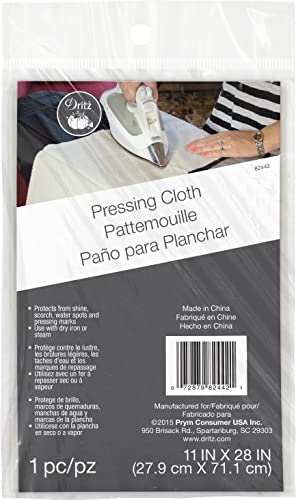
The Dritz 82442 cloth is designed for practical everyday ironing with a focus on visibility and reliable protection. Sized to offer ample coverage while remaining versatile, it can be cut or trimmed from the 11-inch width and long roll to fit sleeves, hems, or larger panels. The white, semi‑transparent surface allows you to monitor crease lines and steam delivery without guessing, helping reduce shine, scorch, water spots, and pressing marks. It suits both dry irons and steam settings, delivering a forgiving layer between the garment and heat. The weave and fabric choice distribute heat more evenly, supporting smooth progress across cottons, poly blends, and delicate fabrics. For delicate textiles, a lighter touch with longer passes works well, while heavier fabrics respond to consistent, moderate pressure. After ironing, allow the cloth to cool and air out to extend its life. This option is particularly useful for sewers and hobbyists who press frequently with varied fabrics.
June Tailor Eze-View Press Cloth

June Tailor’s Eze-View cloth emphasizes visibility alongside effective fabric protection. Made from 100% cotton, the 24 by 14 inch surface provides generous coverage for shirts, blouses, and hems while remaining easy to maneuver on boards and boards. The cotton weave balances heat diffusion with moisture absorption, helping to prevent shine on a wide range of fabrics. The cloth’s design makes it straightforward to see through as you press, aiding precise crease alignment and steam diffusion without moving the garment away from the heat source. It is suitable for both steam and dry ironing, making it a dependable everyday option for cottons, blends, and light synthetics. For best results, press with even, moderate pressure, keep the cloth flat, and avoid letting it bunch up. Handle with care to maintain its smooth surface for repeated use.
Dritz Silk Organza Press Cloth

This silk organza press cloth from Dritz is ideal for precision work on delicate fabrics. The sheer, lightweight fabric provides a near-invisible barrier that helps protect fabrics like chiffon, lace, and fine knits from direct heat while preserving drape and texture. The transparency enables you to monitor pressing lines and fabric behavior as you work, reducing the chance of scorch marks and shine on subtle fibers. For additional control, dampen the cloth slightly before placing it over the fabric, then press with the iron set to the fabric’s recommended temperature. Avoid direct heat on embroidery or trim; use small, careful strokes to maintain the garment’s structure. After use, launder as directed to keep the organza crisp and clean for repeated tasks.
BlueSnail Protective Mesh Pad
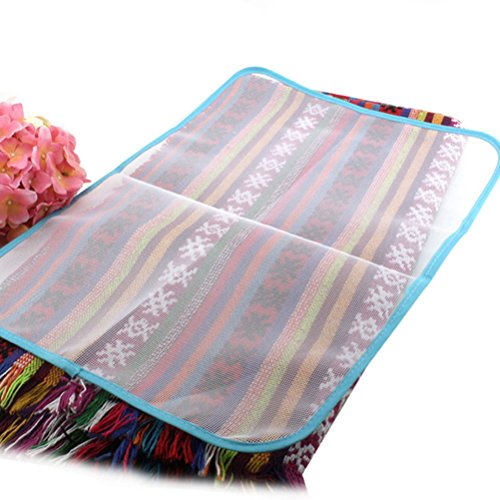
The BlueSnail mesh pads function as protective accessories for ironing sessions that involve zippers, snaps, or other hardware. The two-pack design provides durable, reusable barriers that keep garments from snagging on rough metal accents while shielding the iron’s surface from potential scratches. The mesh material allows heat and moisture to diffuse through evenly, helping to minimize scorch and shine on fabrics that respond poorly to direct heat. These pads are particularly useful on jeans, outerwear, or bags with metal fixtures, and they’re easy to clean after sessions. Place the garment on the ironing board, lay the mesh pad beneath or beneath a standard pressing cloth, and press with steady, controlled strokes as fabrics permit.
HunnmingRe 4 Types Pressing Cloth Set

HunnmingRe’s four-type pressing cloth set provides an all-in-one solution for a wide range of fabrics. The package includes a mesh cloth (about 24 x 16 inches), a PTFE fabric (about 24 x 16 inches), a cotton cloth (about 24 x 24 inches), and a larger silk organza cloth (about 28 x 28 inches). This assortment enables tailored protection based on fabric type and ironing needs. The cotton cloth is suited for deep ironing and moisture control, while the silk organza offers transparency to monitor delicate work. The PTFE alternative provides a low-friction surface for slippery synthetics, and the mesh piece helps diffusion for fragile materials. The kit aims to deliver consistent heat distribution, preserve fiber texture, and reduce shine across multiple garment types. It’s a practical choice for hobbyists, sewing enthusiasts, and professionals who handle varied fabrics regularly.
Buying Guide
Key purchase considerations help match a pressing cloth to your ironing routine. Material type matters: cotton cloths offer durable moisture control for everyday fabrics; silk organza is ideal for delicate textiles; transparent meshes allow visibility while providing a heat barrier; PTFE fabrics provide low-friction surfaces for synthetic blends. Size and coverage influence how comfortably you can protect large panels or small collars; a larger cloth reduces the need to reposition, while smaller pieces excel for targeted areas. Heat tolerance depends on fabric type and iron settings; always use the cloth at or below the fabric’s recommended temperature and place it between the garment and heat source.
Steam compatibility is another consideration. Some cloths are designed to diffuse steam effectively, while others are best used with dry irons or dampened slightly for deeper steam penetration. Visibility versus opacity matters: cloths like Eze-View or silk organza allow you to monitor progress, which is especially helpful on delicate fabrics where overpressing can cause shine or distortion. Durability and care are practical factors; cotton and cotton blends are typically washable, while silk organza and PTFE surfaces may require careful cleaning. Pack size can affect value; multi‑cloth sets offer versatility if you iron a broad range of fabrics. Finally, consider brand reliability and product support when selecting a set for long‑term use.
| Aspect | Guidance |
|---|---|
| Material Type | Choose based on fabric: cotton for general use; silk organza for delicate fabrics; mesh for protection; PTFE for sliding on synthetics. |
| Size & Coverage | Prefer larger cloths for big garments; smaller pieces for cuffs and collars. |
| Heat Tolerance | Match with fabric; avoid direct heat on sensitive fibers. Use dampened cloth on high‑steam tasks when appropriate. |
| Steam Compatibility | Some cloths diffuse steam well; others are better for dry ironing. Follow fabric care guidelines. |
| Visibility | Transparent options help monitor lines and moisture; non‑transparent options may offer more coverage. |
| Durability & Care | Reusable cloths last longer with proper care; cottons are often machine washable, organza and PTFE may require gentle cleaning. |
| Value & Pack Size | Sets provide variety; single cloths are simpler but may require more purchases over time. |
| Brand Reliability | Consider longevity, availability, and customer support when choosing a set. |