Finding a reliable portable air conditioner for a trailer can be challenging, especially when space and energy use matter. This article highlights five top options designed for RVs, campers, and trailers, with practical considerations to help you choose the best model for your needs. Each product section includes key features, install notes, and suitability for various trailer setups.
| Product | Type & Cooling Power | Best For |
|---|---|---|
| Ivation 6,500 BTU Camper AC | Through-window installation, 6,500 BTU | Over-the-window RV use, quiet operation |
| Waykar 4,500 BTU Portable AC | 4,500 BTU, 4-in-1 (cool, dry, fan, sleep) | Small cabins or tents up to ~130 sq ft |
| 12V Rooftop AC (Hiberry) 10,000 BTU | Rooftop, 12V DC, 10,000 BTU | RVs, campers, and trucks needing rooftop efficiency |
| Countrymod 10,000 BTU DC RV AC | Inverter design, 10,000 BTU | Energy-efficient cooling for trailers with limited power |
| EUHOMY 10,000 BTU Portable AC | 3-in-1 cooling, dehumidifier, fan, remote | Medium-to-large trailers and living areas |
Note: All products listed are designed for mobility and trailer-friendly installation, with considerations for energy use, noise, and cooling range. The table above emphasizes the core strengths so you can compare at a glance.
Ivation 6,500 BTU Camper AC
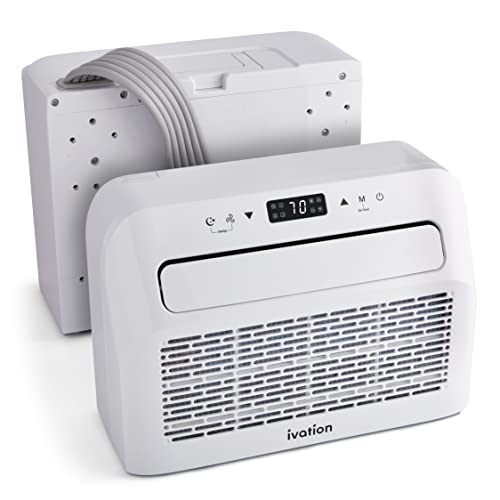
Features: This RV-friendly unit is designed for over-the-sill installation, allowing the compressor portion to reside outside the window area while the main unit remains inside. It operates as a dedicated air conditioner with a focus on quiet performance to minimize cabin disruption. The digital display provides accessible temperature control, with a range suitable for most trailer interiors. The split design helps preserve the view and reduces noise transfer to the living space. The system is aimed at RVs and campers seeking a balance between cooling power and comfort in compact spaces.
Waykar 4500 BTU Portable AC

Features: This upgraded tent-style unit covers up to 130 square feet, making it suitable for small to mid-sized trailer layouts. It offers four modes—cooling, dry, fan, and sleep—with adjustable temperatures and three fan speeds. The device emphasizes energy efficiency with an emphasis on safe operation, including overload and compressor protections. The air outlets are parallel to maximize cooling distribution, ensuring even airflow throughout compact trailer interiors.
12V Rooftop AC (Hiberry) 10,000 BTU

Features: This rooftop unit provides 10,000 BTU of cooling and heating via a 12V DC power supply, tailored for RVs, campers, and trailers. It highlights energy efficiency with a compact, weather-resistant ABS housing. Installation targets skylights or roof openings, with careful attention to roof size compatibility and noise dampening to support peaceful camping experiences. The unit is designed for fast response in mobile living environments, balancing power use with robust performance in varying climates.
RV Air Conditioner 12V 10,000 BTU (Outequip)

Features: This rooftop unit provides 10,000 BTU of cooling for RVs, trucks, and trailers, with an integrated 4,500 BTU heater for mild-weather warmth. It emphasizes durability with UV-stabilized ABS construction and weather-resistant components. The combination of cooling and heating in a single rooftop system makes it versatile for year-round trailer use, especially in climates with variable temperatures. It’s designed for quick cooling response and reliable operation in mobile environments.
Countrymod 10,000 BTU DC RV AC

Features: The Countrymod unit uses inverter-driven, 10,000 BTU cooling with an energy-efficient profile that claims up to 0.3 kWh per hour, making it a strong option for power-conscious trailer setups. It employs a variable-frequency compressor to adjust cooling output on demand, paired with low-noise operation (45-55 decibels). The design aims for even cold air distribution without direct blast, suitable for cabins where comfort across the space matters as you travel.
Buying Guide: Key Purchase Considerations For Trailer Cooling
- Power source and consumption: Trailers often run on generators or shore power. Compare BTU rating with expected climate, and check wattage and inverter compatibility for 12V systems commonly used in mobile setups.
- Installation style: Over-the-window, rooftop, and through-window configurations each have pros and cons regarding noise, efficiency, and available space. Choose a model that aligns with your trailer’s roof height, window design, and interior layout.
- Noise levels: Quiet operation enhances comfort during night use. Look for dB ratings or operator descriptions highlighting low-noise performance, especially for sleeping areas.
- Energy efficiency: Inverters and smart controls can reduce energy consumption. Units advertising 0.3 kWh/hour or similar figures are advantageous for long trips or limited power supplies.
- Moisture management: For humid climates, consider dehumidification modes and drainage options. Some units require drainage hoses or operate efficiently in dry modes to avoid moisture buildup.
- Size and airflow distribution: Ensure the unit can effectively cool the intended space. Models with directional outlets or extended air distribution help maximize comfort in irregular trailer layouts.
- Durability and weather resistance: Outdoor components should withstand sun exposure and weather. ABS plastic housings and corrosion-resistant components improve longevity on the road.
- Maintenance and support: Availability of replacement parts, filters, and service options matters on extended trips. Check for simple filter changes and accessible support channels.