Refurbishing wood furniture often starts with removing old finishes safely and effectively. The right paint remover can strip multiple layers without damaging delicate wood, minimize fumes, and prepare surfaces for a fresh finish. This guide highlights five top picks that balance performance, user-friendliness, and indoor usability. Each option is evaluated for wood suitability, ease of use, dwell time, and cleanup requirements. Whether you’re refinishing a heirloom chair or refreshing a vintage cabinet, these products offer dependable results while keeping safety and environmental considerations in check.
Summary Of Chosen Products
| Product | Brand | Capacity | Key Benefit |
|---|---|---|---|
| Smart N Easy Gel Paint Remover | Safe ‘n Easy | 32 oz | Non-caustic, citrus scent; removes multiple layers in one go |
| GREENEZ Gel Wood Stripper | GREENEZ | 1/2 Gallon | Soy-based; low odor; safe for all wood types |
| Smart Strip Advanced Paint Remover | Dumond | 1 Quart | Water-based, non-caustic; removes up to 15 layers |
| All Purpose Paint Remover Spray | Max Strip | 22 oz | No methylene chloride or NMP; fast-acting; multi-surface |
| GREENEZ Stripping Kit | GREENEZ | Kit | Includes residue removal spray; soy-based; furniture-focused |
Smart N Easy Gel Paint Remover

Smart N Easy Gel is a water-based gel formulated to strip acrylic, latex, oil, and water-based paints, as well as varnishes and stains. A standout feature is its non-caustic composition, which minimizes skin irritation and avoids harsh fumes commonly found in solvent-based removers. The gel texture helps keep the product in place on vertical surfaces or intricate profiles, reducing drips and waste. Users report that a single application can remove several layers, making it a strong choice for DIY furniture projects like chairs, cupboards, and tabletops. Always test a small area to confirm coating compatibility before full removal.
The product is especially suitable for interior furniture refinishing due to its citrus-like scent, which is noticeably milder than harsher chemical removers. Its versatility extends beyond wood, with potential use on other finishes found in homes, such as certain coatings on brick or fiberglass components. Application guidance recommends a thorough surface wipe-down after removal to prepare for sanding or refinishing. While the formula is forgiving, dwell times vary by coating thickness and age, so patience and a scheduled approach yield best results.
GREENEZ Gel Wood Stripper

GREENEZ Gel Wood Stripper is a soy-based, low-odor formulation designed to remove multiple layers of paint, varnish, and epoxy without compromising wood integrity. The gel consistency minimizes drips, which is especially helpful for vertical surfaces like cabinet doors or chair legs. The company promotes a planet-friendly approach, noting the absence of harsh fumes and a safer profile for indoor use. The product works well on furniture pieces made from hardwoods and softwoods alike, and it’s commonly used for stripping finishes prior to refinishing or staining. Always test a small area for coating compatibility and wood reaction.
One advantage of the GREENEZ option is its overall user-friendliness. The gel’s adhesive-like feel helps keep the product in place during longer dwell times, reducing reapplication needs. After the stripping phase, users typically rely on the included or recommended residue removal steps and then proceed with light sanding before refinishing. The blend aims to provide effective layer removal while preserving the wood’s natural texture and grain, an essential consideration for antique or heirloom pieces. Ventilation remains important, as with any finish removal process.
Smart Strip Advanced Paint Remover

Smart Strip Advanced Paint Remover is a water-based, non-caustic option designed for both indoor and outdoor use. It’s specifically formulated to remove multiple layers of acrylic, latex, oil, and water-based coatings, typically in a single application when dwell times are properly observed. The product emphasizes testing patches before full application to determine coating compatibility and the dwell time required for successful removal. It’s suitable for wood furniture, cabinets, and decorative elements, with a focus on safer handling compared with harsher chemical solvents.
For furniture projects, the ability to remain wet during removal matters. Dumond supplies guidance on keeping the surface moist to maximize effectiveness and reduce premature drying, potentially aided by a lamination sheet that helps maintain moisture. This remover’s versatility means it can be used on a variety of substrates beyond wood, including metal and plastics in some cases, but always verify compatibility for painted or sealed wood surfaces before applying broadly.
All Purpose Paint Remover Spray
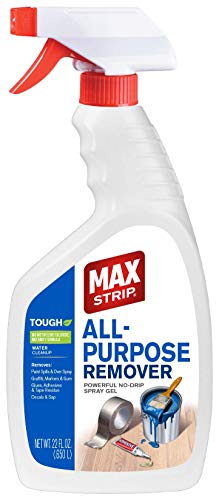
Max Strip’s All Purpose Paint Remover Spray is a versatile, spray-on option designed to tackle spills, overspray, graffiti, and dried paint across multiple surfaces, including wood and metal. The product emphasizes a no caustic chemical approach, avoiding methylene chloride and NMP for safer operation. Its spray format supports even coverage and convenient application on furniture components such as tabletops, doors, and frames. Users apply the remover, monitor the surface at intervals (often around 15 minutes), then scrape away the loosened coating and wipe clean for sanding and refinishing.
Because spray removers can differ in dwell time depending on coating thickness, patience and repeat applications may be necessary for dense finishes. The multi-surface aspect is a practical benefit for households tackling furniture refinishing alongside other DIY projects. Remember to use appropriate protective gear, work in a ventilated area, and conduct a test patch to confirm coating compatibility, then proceed with care to avoid gouging the wood during removal.
GREENEZ Stripping Kit

GREENEZ Stripping Kit is a furniture-focused package designed for removing multiple layers of paint, varnish, and epoxy coatings. The kit emphasizes a soy-based formula, providing a safer, lower-odor alternative to harsher solvents. It includes a finishing cleaner or residue remover to simplify post-strip cleanup, helping reveal a clean surface ready for refinishing. The kit is marketed as suitable for a broad range of wood types, including antiques and delicate furniture, and is positioned as a convenient all-in-one solution for home projects where furniture preservation is a priority.
Using this kit typically involves applying the gel or liquid to the surface, allowing an appropriate dwell time, removing the softened coating with a scraper or plastic tool, and following up with the included residue cleaner. Because it’s designed with furniture in mind, it often yields better control over finish removal on curved or intricately shaped pieces. As with all stripping tasks, test compatibility first on a hidden area and work in a well-ventilated space to minimize exposure to fumes.
Buying Guide: How To Choose The Right Furniture Paint Remover
Choosing the right remover depends on finishing type, wood condition, and project goals. Below are key considerations and how different options compare across common scenarios.
- Coating type and thickness: For layered finishes such as old varnishes and epoxies, consider gel-based or advanced stripping formulas designed to lift multiple layers in a single pass. Thin acrylic or latex coatings may respond quickly to water-based removers, while solvent-heavy coatings may require longer dwell times or safety considerations.
- Formulation and safety: Non-caustic, water-based formulas reduce skin irritation and fumes, making them more suitable for indoor use and DIY projects. Soy-based or low-odor options are particularly appealing for home environments, especially in living spaces with limited ventilation.
- Wood type and condition: Softer woods (pine, poplar) can be more prone to surface damage from aggressive removers; test on a small area first. For antiques or Veneered furniture, choose products that emphasize gentleness and finish-preserving behavior to avoid gouges or grain raise.
- Application method: Gel formulas cling to vertical surfaces and irregular profiles, reducing drips on tabletops and legs. Sprays offer fast coverage for larger flat areas but may require careful masking to avoid overspray on nearby surfaces.
- Dwell time and reapplication: Some products require 15 minutes to several hours depending on finish thickness. Plan for multiple passes if necessary, and avoid allowing solvent residues to dry fully between steps to prevent reattachment of coatings.
- Residue removal and prep: A finishing cleaner or residue remover included with the kit can simplify cleanup and prepare wood for refinishing. Ensuring the wood is clean, dry, and lightly sanded after stripping helps achieve a uniform topcoat.
- Indoor air quality and odors: If odor is a concern, prioritize low-odor, citrus-scented, or soy-based options. Adequate ventilation, masks, and eye protection are recommended regardless of odor level.
- Tooling and cleanup: Depending on the product, you may need plastic scrapers, steel wool, or sanding blocks. Ensure you have these tools ready to support a smooth finish transition from stripping to sanding to staining or painting.
- Environmental impact and disposal: Look for biodegradable formulas and packaging designed to minimize environmental impact. Follow local disposal guidelines for paint removers and solvent residues to avoid hazardous waste concerns.
- Brand reliability and support: Reputable brands often provide clear dwell-time guidance, compatibility tests, and safety data. If refinishing antique furniture, seek products with documented performance on a range of wood species and finishes.
In practice, a well-rounded approach may combine a primary remover with a residue-cleaning step and a light sanding phase to restore wood grain. Testing a small area before full application reduces risk and helps you choose the best dwell time and removal technique for your specific piece. Consider keeping a log of surfaces tested, dwell times used, and results achieved to guide future refinishing projects. By weighing coating type, wood sensitivity, and indoor use considerations, you can select the most effective option without compromising the furniture’s integrity.