Choosing the right paint for radiator covers requires balancing heat tolerance, finish, and ease of application. Radiator covers sit close to hot metal, so the coating must withstand high temperatures without discoloring or cracking. Finishes range from glossy to satin, each offering different levels of glare, washability, and durability. For American homes, replacing or refreshing radiator covers with a high-quality heat-resistant paint can improve durability and appearance without compromising heat transfer or airflow. The selections below highlight trusted brands and formulations designed to resist heat, chips, and wear while keeping radiators looking clean and modern.
In this guide, you’ll find five carefully chosen products that address common concerns: preventing yellowing, resisting stone chips, ensuring proper airflow, and supporting easy application in tight spaces. The list includes true radiator paints and compatible application tools to help you tackle awkward corners behind radiators. Whether you want a gloss finish that mirrors factory hardware or a satin look for a subdued, contemporary vibe, these options cover both DIY and more meticulous refinishing projects. A quick table at the start highlights the core strengths of each pick for quick reference.
| Product | Brand | Finish / Key Feature | Heat Rating |
|---|---|---|---|
| Eastwood High Heat Radiator Paint | Eastwood | Gloss Black; spray paint; does not block airflow | Up to 300°F |
| Rustins RADG500 Quick Dry Radiator Paint Gloss | Rustins | Gloss enamel; white; quick-dry claim | Heat resistant |
| Eastwood High Heat Resistant Radiator Spray Paint | Eastwood | Satin Black; radiator-friendly viscosity | Up to 300°F |
| Diamond Brite Aluminum Paint 46000 | Diamond Brite | Aluminum paint; versatile for hot surfaces | Heat resistant |
| ROLLINGDOG Mini Roller | ROLLINGDOG | 4-inch extender; adjustable angles for tight spaces | Compatible with multiple paints |
Eastwood High Heat Radiator Paint – Gloss Black

The Eastwood high-heat gloss spray is designed for metal radiators and similar cooling components, with a formulation that maintains color and finish under heat. The product’s viscosity is tuned for spray applications to minimize runs while preserving metal visibility and air flow between cooling fins. For radiator covers, this means a durable, even coating that resists chipping and does not impede heat transfer. The gloss black finish suits modern interiors and pairs well with chrome or brushed metal accents. It is formulated to resist stone chips and maintain a smooth appearance after exposure to heat cycles typical of home radiators.
Application guidance emphasizes careful surface prep and light, even coats. Clean and degrease the surface; lightly scuff to improve adhesion. Hold the spray at the recommended distance, use thin coats, and allow adequate flash time between passes. Because radiators rely on heat dissipation, avoid heavy film builds that may trap heat. The product’s performance hinges on proper ventilation and ambient temperature during application. While targeted at automotive radiators, its heat-tolerant properties translate well to radiator covers in living spaces where a durable, factory-like finish is desired.
Rustins Quick Dry Radiator Enamel (Gloss)
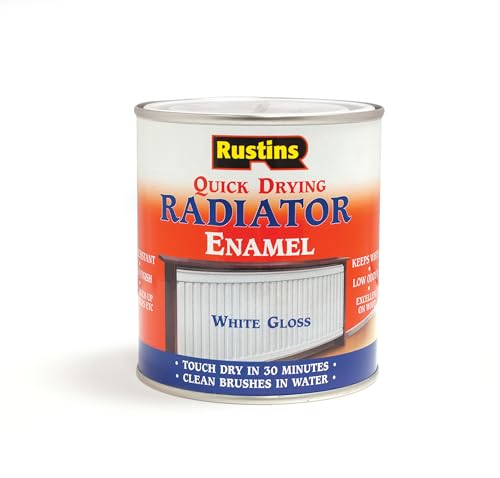
Rustins RADG500 Quick Dry Radiator Paint is designed for rapid touch-ups on white surfaces and is noted for staying white without yellowing with age. The enamel is advertised as heat-resistant with low odor, making it suitable for indoor use where venting may be limited. The white gloss finish offers a different aesthetic from darker radiator covers and can help brighten rooms with more reflective light. For radiator covers, this option is attractive if you want a clean, bright look that remains stable in high-heat zones while minimizing odor exposure during cure times.
Expect a relatively short touch-dry period—about 30 minutes according to the manufacturer—followed by a full cure. When painting radiator covers, plan for a light, even coat and consider applying a second thin layer after the first has cured to achieve full opacity and uniform color. If you choose white, you’ll want to seal or topcoat only if needed for extra durability or easier cleaning. Proper surface prep remains essential: remove rust, grease, and dust to maximize adhesion and minimize peeling or chalking under heat stress.
Eastwood Satin Black Radiator Spray Paint

Eastwood’s satin black radiator spray is specifically described as radiator-friendly, with a viscosity designed for spraying onto radiators and similar automotive components without interfering with cooling or airflow. The satin finish offers a balanced look between gloss and matte, providing a professional OEM-like appearance that suits many home interiors. It’s positioned as suitable for refurbishing old components or protecting new hardware under the hood, which translates well to radiator covers in living spaces where a subtle, refined finish is preferred. Eastwood emphasizes a quality-backed approach with extensive product development and testing.
When applying, users should follow a controlled, multi-coat approach—light coats first, with adequate drying time between passes. Test spray on a scrap metal surface if possible to gauge flow and atomization. Use in a well-ventilated area and avoid applying in high humidity. The paint’s ability to maintain airflow across cooling fins is critical; ensure coats are even and do not create thick films that restrict heat dissipation. This product is a solid choice when a durable finish with a factory-like appearance is desired for radiator covers.
Diamond Brite Aluminum Paint 46000

Diamond Brite Aluminum Paint is marketed for hot surfaces and a range of metal substrates, including radiators, fences, and machinery. Its aluminum-based formulation is geared toward high-heat environments, making it a strong candidate for radiator covers subject to steady warmth. The finish can be brushed, rolled, or sprayed, offering flexibility depending on project size and space constraints. For covers, aluminum paint can provide a metallic, low-maintenance look that stands up to repeated heat cycles. Proper surface prep—removing rust and ensuring the surface is clean—remains essential to maximize adhesion and long-term durability.
The versatility of Diamond Brite’s product means it’s not limited to radiators. If you’re refreshing a workshop or garage area, this paint can unify multiple metal surfaces with a consistent high-heat finish. Users should account for the potential need for multiple thin coats to avoid runs and ensure an even film. As with any high-heat coating, adequate curing time in a ventilated space is important before returning items to service or placing decorative covers over hot radiators.
ROLLINGDOG Mini Roller – 4Inch Extender

The ROLLINGDOG Mini Roller is designed to tackle awkward corners and tight spaces behind radiators. Its adjustable angle and 4-position head help painters access areas where a standard roller cannot reach. The synthetic velour cover is described as durable and suitable for glossy paints, enabling smooth, even layers on metal or painted surfaces. The long 12-inch steel arm provides extended reach so you can paint around radiator frames without contorting. This tool reduces the risk of drips and ensures consistent coverage, which is especially valuable on covers with intricate edges or behind-the-radiator gaps that catch drips.
For best results, pair this tool with your chosen radiator paint, applying light coats to minimize orange-peel texture and to maintain smooth edges along the cover’s contour. Clean the roller cover promptly after use to extend its life, and replace if fibers begin to shed. The accessory is compatible with multiple paints, but avoid using overly thick coatings that can clog the nap or cause pooling in tight spaces. When used correctly, it can significantly improve coverage and finish on radiator cover projects.
Buying Guide
When selecting paint for radiator covers, consider heat tolerance, finish, application method, and how the product interacts with airflow. The right coating should resist yellowing, hold color over time, and dry to a durable film without disturbing heat transfer. For painted covers, the finish should complement your room while standing up to routine cleaning. Keep in mind that radiator covers may be located in living spaces with children or pets; odor considerations and drying times matter for indoor air quality. Below are key buying considerations to help you compare options effectively.
Heat Resistance and Finish Options
Heat resistance is the primary requirement. Look for coatings specified to withstand temperatures in the hundreds of degrees Fahrenheit, which ensures the film remains intact through repeated heating cycles. Finish choices—gloss versus satin—affect appearance and maintenance. Gloss offers a shiny, easy-to-clean surface that can highlight architectural details, while satin provides a softer, contemporary look with reduced glare. For radiator covers, satin or semi-gloss finishes often balance aesthetics with stain resistance and washability. If you prioritize a mirror-like factory look, a gloss option may be preferred, provided it maintains airflow and doesn’t trap heat.
Application Method and Surface Compatibility
Spray products deliver smooth, even films on complex shapes, but require proper ventilation and masking to prevent overspray. Rollers and brushes offer control in smaller spaces or for touchups. For behind-the-radiator areas, consider tools that reach into tight gaps, such as adjustable mini rollers. Ensure the paint adheres well to metal and prepped surfaces; rust removal, degreasing, and light sanding can improve adhesion. If your radiator covers are unfinished metal, rust-inhibiting primers or enamel formulations may enhance longevity. The right method depends on space, coverage needs, and your comfort with spray equipment.
Drying, Curing, and Recoat Windows
Drying time affects project scheduling and indoor air quality. Some products claim quick touch-dry times, but full cure may take longer. Allow adequate cure times before placing decorative items or opening vents around treated radiators. Recoat windows can vary from 1 to several hours, so plan coats accordingly. When working in a household, aim for days with low humidity and moderate temperatures to optimize curing. If odor is a concern, choose low-odor formulations and ensure ample ventilation during application and drying periods.
Durability, Maintenance, and Safety
Durability depends on film thickness, adhesion, and resistance to chipping and impact. For radiator covers that receive frequent cleaning, select finishes that resist scuffing and fingerprints. Some coatings maintain color and gloss longer than others under heat exposure. Safety concerns include low VOC content and minimal off-gassing during cure. Always follow manufacturer instructions for surface prep, application, and ventilation. If you’re repainting a living area, consider a semi-gloss or satin option for easier cleaning, while still meeting heat-resistance requirements.
Price, Availability, and Brand Trust
In most cases, you’ll find multiple brands offering high-heat coatings. Brand reputation, consistency across batches, and availability matter for larger projects. Consider whether you need a single can for touchups or a bulk pack for larger radiator covers. Reading user reviews about performance on metal surfaces similar to your radiator covers can help confirm expectations. While price is a factor, the long-term durability and heat resistance of a coating often determine overall value. Choose a product with proven results for metal surfaces and high-heat exposure.