Choosing the right paint for cast iron radiators matters for appearance, durability, and heat tolerance. High-heat coatings protect metal from rust and chips while withstanding constant warmth. This guide reviews five top options that are well-suited for radiators, including enamel finishes designed for engines, specialty radiator paints, and restoration coatings. The selections balance heat resistance, ease of application, and long-term performance to help American homeowners and hobbyists achieve a durable, professional-looking finish.
| Product | Brand | Heat Rating | Finish | Best Use |
|---|---|---|---|---|
| Eastwood High Heat Radiator Paint Satin Black | Eastwood | Up to 300°F | Satin Black | Radiators, intercoolers, automotive under-hood components |
| VHT SP997 550° Engine Enamel High Heat Spray Paint | VHT | 550°F | Engine enamel | Engine parts, cast iron components |
| VHT SP998 Flameproof Coating Very High Heat Spray Paint | VHT | Very high heat (flameproof) | Matte ceramic silicone base | Cast iron surfaces exposed to extreme heat |
| Seymour CA16-48 Cast Blast Spray Paint | Seymour Paint | Up to 250°F | Cast Blast finish | Restoring cast iron and cast aluminum parts |
| Diamond Brite Paint 46000 Aluminum Paint | Diamond Brite Paint | Not specified | Aluminum Paint | Radiators and other hot metal surfaces |
Eastwood High Heat Radiator Paint Satin Black

Eastwood’s radiator-friendly formula is designed to maintain airflow and prevent heat-related performance issues. The paint is formulated to handle heat up to 300°F, with a durable finish that resists chips. The satin black color provides a factory-style appearance on older radiators or engines, making it a practical choice for restoration projects. A notable point from the product features is that it’s best used with primer, color paint, and a clear coat process to maximize durability.
Application considerations include the need for adequate surface prep and multiple light coats to achieve even coverage. The product is manufactured in the USA and emphasizes a balanced viscosity suitable for radiators and related components. For best results, follow the tip that most radiators require two spray cans to ensure complete, durable coverage.
VHT SP997 550° Engine Enamel High Heat Paint
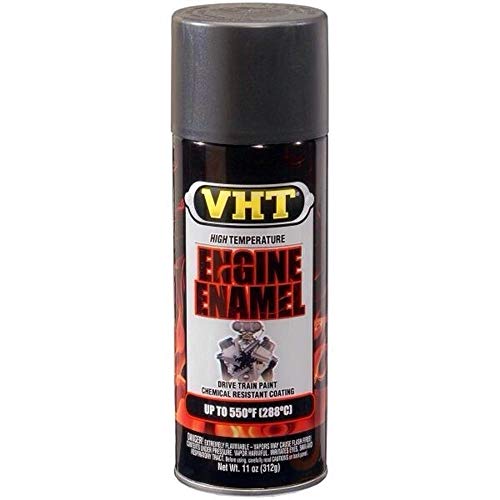
VHT SP997 is a high-heat engine enamel that blends urethane and ceramic resins for maximum heat resistance and a long-lasting finish. It’s designed to withstand corrosion, rust, salt spray, and chemical exposure from modern gasoline blends and degreasers, making it a versatile option for cast iron components near heat sources. The paint dries to the touch in about an hour and cures overnight, allowing flexible scheduling for DIY radiator projects. Its formulation is suited for engines, brackets, and other metal parts subject to sustained high temperatures.
Practically, SP997 is a good choice when you want a durable, heat-tolerant coating on cast iron surfaces associated with heating systems. Prepping the surface and applying in thin, even coats will help prevent runs and ensure a smooth finish that lasts through many heating seasons.
VHT SP998 Flameproof Coating High Heat Spray Paint

VHT SP998 is marketed as a flameproof coating for very high heat applications, with a matte finish based on a ceramic silicone base. The formulation is widely used on automotive exhaust and other extreme heat surfaces, making it a robust option for cast iron radiators that experience high temperatures in winter heating or industrial settings. The package notes that applying this paint with a primer color and clear coat can enhance longevity and appearance, suggesting a layered approach for maximum durability on metal radiators.
When considering SP998, assess the radiator’s expected heat exposure and desired appearance. The matte finish helps conceal imperfections, while the high-heat claims indicate strong protection against heat-induced peeling or chalking. Ensure proper surface preparation and follow recommended drying/curing times for best results.
Seymour Cast Blast Spray Paint

Seymour Cast Blast is a professional-grade coating designed to restore cast iron and cast aluminum engine parts. It’s described as durable and fast-drying, with heat resistance up to 250°F. This makes Cast Blast a practical option for restoring metal radiator components or nearby hardware that must endure moderate heat while delivering a factory-like finish. The product positioning emphasizes restoration and longevity, appealing to hobbyists and automotive enthusiasts seeking reliable performance under heat exposure.
For best outcomes, plan on thorough surface prep and multiple light coats to avoid runs. The 250°F rating offers a useful benchmark for radiator projects that do not reach extreme temperatures but still demand durable protection against heat and oxidation.
Diamond Brite Aluminum Paint

Diamond Brite Aluminum Paint is highlighted for use on radiators and other hot metal surfaces when properly prepared. It offers the flexibility to be brushed, rolled, or sprayed, giving users options for large radiator projects or touch-ups. While exact heat rating isn’t stated in the listing, it’s specifically noted as suitable for hot surfaces, making it a pragmatic choice for durable, heat-tolerant finishes on cast iron radiators with aluminum paints.
Application considerations include careful surface prep and ensuring full even coverage. For best results, follow the product’s guidance on surface cleaning and priming if needed, and apply in thin layers to avoid drips. This option provides a straightforward path to a metallic look while delivering practical performance on heated radiators.
Buying Guide
- Heat tolerance: Radiators experience sustained heat, so choose a paint rated for the expected temperatures. If the radiator operates near or above 300°F, prioritize coatings listed for high heat (such as 550°F or flameproof options).
- Finish and appearance: Radiator aesthetics vary from satin black to matte ceramic finishes. Pick a finish that matches your style while maintaining durability against heat and oxidation.
- Substrate compatibility: Cast iron requires coatings that adhere well to metal and resist chipping. Some products are explicitly labeled for radiators, engines, or cast iron components—these often perform best on radiator surfaces.
- Primer and topcoat compatibility: Certain sprays perform best when used with a primer and clear coat. If you plan a layered approach, confirm compatibility between primer, color coat, and topcoat for long-term adhesion.
- Application method: Aerosol sprays are convenient for intricate radiators, while brush or roller applications can be useful for larger panels. Consistency and even coverage are key to avoiding drips and uneven finishes.
- Drying and curing times: Some formulas dry to the touch in about an hour and cure overnight, while others may require longer. Plan painting sessions to align with these timelines to minimize handling time.
- Durability and chip resistance: Look for products marketed as chip-resistant or designed for automotive or engine components, as these coatings are typically built to withstand vibration and abrasion.
- VOC and odor: Many modern coatings emphasize lower odor and low VOCs. If you’re painting indoors, consider products with lower emissions and good ventilation practices.
- Color options: Aluminum or silver-tone finishes are common for radiator updates, but there are matte and satin blacks to match traditional looks. Choose a color that complements your room or workshop environment.
- Maintenance and longevity: For ongoing care, select coatings that resist humidity and temperature cycles, reducing the need for frequent touch-ups.
In sum, for direct radiator use, Eastwood’s Satin Black and the Diamond Brite Aluminum Paint provide practical, ready-to-use options with straightforward application. For maximum heat tolerance and engine-compatible coatings, VHT SP997 and SP998 offer strong protection for high-temperature scenarios. Seymour Cast Blast serves as a restoration-focused choice for cast iron parts with reliable durability. When selecting, balance heat rating, finish, and ease of application to suit your radiator project and climate conditions.