Choosing outdoor tiles that sit over concrete requires balancing durability, weather resistance, and easy installation. Interlocking deck tiles provide a practical solution by snapping together over flat concrete surfaces without mortar. The products highlighted below are among the top options available for American patios, balconies, pool decks, and garden paths. Each tile type brings a distinct performance profile—from solid acacia wood to durable plastics and even stone-faced designs—so you can select the right material for your climate and style. The table after this introduction offers a quick snapshot of the five picks discussed here.
| Product | Brand | Key Benefit |
|---|---|---|
| PrimeZone 54 PCS Solid Acacia Wood Interlocking Deck Tiles | PrimeZone | Natural wood with strong weather resistance |
| Goovilla Plastic Interlocking Deck Tiles, 9 Pack | Goovilla | Lightweight, all-weather plastic with easy snaps |
| Yaheetech 27PCS Interlocking Patio Deck Tiles | Yaheetech | Natural fir wood with simple interlocking design |
| Big Floors DuraGrid Outdoor Deck Tiles, 40 Pack | Big Floors | Self-draining, durable plastic for high-traffic areas |
| CHANJOON DIY Deck Tiles Natural Stone | CHANJOON | Natural stone look with easy interlocking base |
PrimeZone Acacia Wood Interlocking Tiles

The PrimeZone tiles use premium solid acacia wood paired with a high-quality PP plastic base. This combination yields sturdy, weather-resistant flooring that stands up to wind, rain, and sun. The wood surface delivers a natural, warm appearance suitable for poolside decks, balconies, and gardens, while the base provides structural support that reduces warping and cracking. The tiles are designed to resist deformation over time, helping outdoor spaces stay attractive across seasons.
Installation is straightforward thanks to the interlocking design. Users can assemble or disassemble tiles in minutes without tools or professional help. The modular system allows for flexible layouts, enabling you to create long runs or cornered patterns and even trim tiles to fit irregular edges. Because the tiles can be used on any flat surface, they are a versatile solution for turning a bare concrete terrace into a comfortable retreat.
In terms of maintenance, PrimeZone tiles benefit from periodic cleaning and light sealing or oiling of the wood to sustain color and longevity. They are well-suited for outdoor use around pools and patios where weather exposure is frequent. While natural wood requires some care, the payoff is a refined, classic look that blends with landscape textures and outdoor furniture. Suitable for both residential and light commercial spaces, these tiles offer durable, timeless style over concrete bases.
Goovilla Plastic Interlocking Deck Tiles, 9 Pack
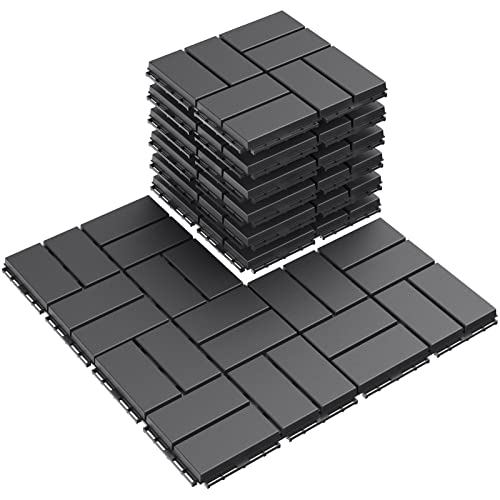
These Goovilla deck tiles are made from high-density plastic designed to resist direct sun, rain, and snow. Their plastic composition provides excellent waterproof performance and stability, with a lighter weight than wood tiles, making handling and installation easier for DIY projects. The tiles feature an upgraded interlocking mechanism that snaps together more securely than some rival systems, reducing the risk of movement as foot traffic passes over them.
Drainage is a key strength of this design. The front surfaces include eight flat areas with six drainage points, and the rhombic back structure helps promote airflow and prevent water pooling. This design minimizes water buildup after rain and simplifies maintenance. The lightweight, weatherproof nature of these tiles makes them a practical option for rental properties, balconies, or poolside areas where frequent outdoor use occurs.
When installing, you can configure patterns and shapes to match your concrete area, then trim tiles as needed for tight spaces. Maintenance is simple: sweep or rinse with water to remove dirt, and avoid harsh solvents that could degrade the plastic. These tiles are a durable, all-season flooring choice that balances cost, ease, and performance in American backyards.
60 Sq. Ft Plastic Interlocking Deck Tiles

This larger 60-square-foot option from VVoodeinck provides a broad, all-weather surface designed for easy, tool-free assembly. The tiles are built to withstand outdoor conditions and heavy foot traffic, making them a suitable choice for porches, pool decks, and outdoor entertainment areas. The hollow design contributes to drainage and reduces surface slipperiness, while the modular pieces let you adapt the layout to fit your concrete footprint.
Compared with wood options, these tiles require less maintenance—no sealing or staining—and they resist moisture effectively. Their self-draining configuration helps keep decks dry after rainfall, which is especially important in areas with frequent showers. For homeowners seeking a low-maintenance, durable outdoor floor over concrete, these deck tiles offer a practical balance of performance and ease of use.
Big Floors DuraGrid Outdoor Deck Tiles
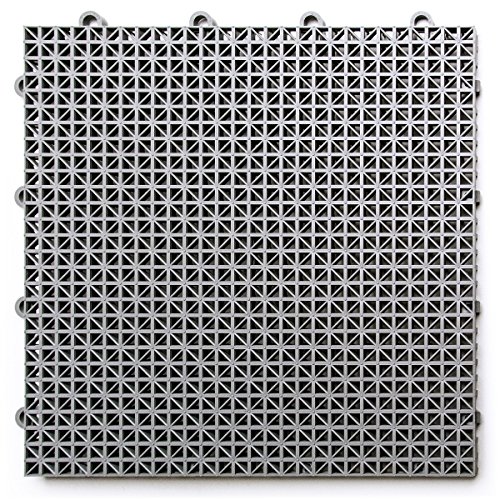
Big Floors DuraGrid tiles are a robust, self-draining plastic option designed for long-lasting performance in outdoor spaces. The 40-pack configuration provides ample coverage for larger patios and pool surrounds, with UV resistance that helps prevent color fading and material degradation over time. The tiles install without glue or tools, using a simple interlocking system that creates a clean, seamless surface quickly.
Durability and weather resistance are central to the design. The tiles handle moisture and sunlight without warping, cracking, or discoloration, making them suitable for basements, mudrooms, or garden patios that experience seasonal weather changes. The self-draining design minimizes standing water, reducing slip risk and enabling easier cleaning. For those who want a utilitarian, durable outdoor floor with minimal upkeep, DuraGrid tiles offer a practical, cost-effective solution.
CHANJOON DIY Deck Tiles Natural Stone

CHANJOON offers a deck tile that mimics the look of natural stone. Each tile combines natural stone pieces glued to a sturdy interlocking plastic base, delivering a textured surface with a stone-inspired aesthetic. The 12″x12″ interlocking deck tiles are designed for quick assembly, and the natural stone feel makes these tiles an appealing option for terraces, garden paths, and entryways where visual texture matters as much as practicality.
In terms of practicality, the CHANJOON tiles provide solid load-bearing capability and straightforward installation without tools. The natural stone surface is not as slip-resistant as some plastic or composite tiles, so routine cleaning and keeping the surface dry are important. This option is best for those who want a distinctive, high-end look that blends with natural surroundings while maintaining simple DIY installation over concrete.
Buying Guide
Material and Aesthetics
Outdoor deck tiles come in wood, plastic, and stone-inspired composites. Wood options, like acacia and fir, offer authentic warmth and natural texture but may require periodic sealing and more maintenance in harsh climates. Plastic tiles are highly durable, highly weather resistant, and low maintenance, but can have a more modern look. Stone-face designs provide a premium appearance but may need more careful cleaning to maintain slip resistance. Consider how the tile looks with your home’s exterior and yard décor, as well as how it weathers in your region.
Installation And Interlocking Systems
Interlocking tiles should snap together securely and stay in place under foot traffic. Look for a system that is tool-free and forgiving for DIY installers. Some designs use rectangular snaps; others use a more robust tongue-and-groove approach. The quicker a setup can be, the sooner the area becomes usable. If you anticipate irregular edges or tight spaces, ensure tiles can be cut or trimmed to fit without compromising the interlock.
Durability And Weather Resistance
Evaluate how tiles handle sun exposure, rain, and temperature swings. Wood needs sealing or oiling to resist moisture and UV damage; plastic tiles generally resist moisture but can become hot in direct sun. Self-draining designs help prevent puddling and reduce slip hazards after rain. For poolside areas or patios with frequent moisture, prioritize materials and designs that promote drainage and airflow.
Maintenance And Cleaning
Low-maintenance needs are a common goal for outdoor floors. Plastic and composite tiles usually require only occasional washing, while wood tiles benefit from periodic sealing and cleaning to preserve color and prevent cracking. Consider whether you prefer a surface that cleans easily with a hose or one that requires more involved upkeep to maintain its natural appearance.
Coverage, Pattern And Fit
Tile size commonly runs 12″x12″ with occasional variants. Calculate your total area to determine how many tiles you need, and consider whether the layout should be a straightforward grid or a more decorative pattern. Ensure you have a plan for cutting tiles to fit around edges, corners, or obstacles like planters and steps. The right pattern can also influence water drainage and slip resistance.
Weight And Handling
Weight matters for both shipping and on-site handling. Heavier wood tiles may feel more substantial and stable but can require more effort to install. Lightweight plastic tiles are easier to maneuver, especially for longer runs, but ensure their weight meets your stability requirements for high-traffic use. If you frequently rearrange outdoor layouts, a lighter solution may be preferable.
Warranty, Safety, And Compliance
Check warranties and any safety certifications. Some tiles carry UV resistance guarantees, while others provide limited wear warranties. For residential decks, stability and slip resistance are critical; for pool areas, look for designs with better drainage and reduced slip potential. If you plan to use tiles in commercial or semi-public spaces, ensure the product meets local safety standards and any relevant building codes.
Choosing the right outdoor deck tiles over concrete involves balancing material aesthetics, maintenance expectations, installation ease, and long-term durability. The five options reviewed above address a wide range of needs—from warm, natural wood tones to ultra-durable plastic systems and stone-inspired appearances. By considering climate, usage patterns, and maintenance willingness, you can select a tile system that not only elevates your outdoor space but also stands up to daily use for years to come.