Choosing the right material for couch cushions affects comfort, durability, and long-term support. This guide highlights five practical options that address sagging, wear, and fit. From dense foam cores and memory foam fillings to batting, elastic webbing, and stretch covers, these materials cover core cushion needs for most American sofas. Use the table below to compare the five products at a glance, then explore each option to learn how it performs in real-world settings.
| Product | Brand | Primary Material | Key Benefit |
|---|---|---|---|
| FoamTouch High-Density Upholstery Foam | FoamTouch | High-density foam | Firm, durable cushion core |
| BBGDIPG Shredded Memory Foam Filling | BBGDIPG | Shredded memory foam | Contour and pressure relief |
| PAROLL Upholstery Batting | PAROLL | Polyester batting (260 gsm) | Loft and smooth surface |
| YLM1991 Upholstery Webbing | YLM1991 | Latex webbing | Sag resistance and support |
| Hokway Stretch Cushion Covers | Hokway | Polyester/Spandex blend | Fit and finish for cushions |
id=”foamtouch”>FoamTouch High-Density Upholstery Foam

FoamTouch High-Density Upholstery Foam delivers firm, lasting cushion cores. The 1″ sheet has a density of about 1.79 lb and 45 ILD, providing consistent support and resisting early flattening. Made in the USA, it suits direct cushion replacements or new cushions for sofas, loveseats, and chairs.
Suitable to cut to size, it’s ideal for DIY upholstery projects. Pair with a protective batting and a durable cover for best results, and consider your seat depth when trimming. When properly installed and cushioned, this foam can maintain shape for 5–7 years under regular use.
id=”bbgdipg”>BBGDIPG Shredded Memory Foam Filling

BBGDIPG shredded memory foam filling provides a contouring, body-friendly cushion fill without a solid block. The memory foam pieces conform to curves, distribute weight, and reduce pressure points in cushions, bean bags, pillows, and pet beds.
This filling is lightweight, static-free, and easily adjustable by adding or removing pieces to reach the desired loft and density. It ships in a 10-pound bag, offering ample supply for multiple cushions or projects.
Tip: Mix with foam inserts or adjust distribution for personalized firmness.
id=”paroll”>PAROLL Upholstery Batting
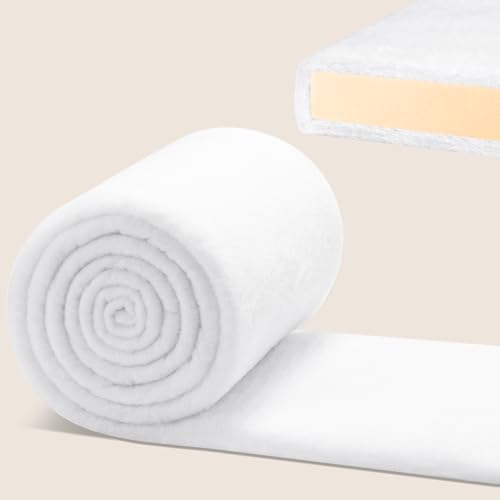
PAROLL 1 Inch Thick Upholstery Batting adds loft and a smooth surface between foam cores and fabric covers. Made from 260 gsm polyester, it expands to about 1 inch after resting, offering comfortable padding for cushions, benches, and upholstered furniture.
Ships 36″ wide by 5 yards, and after resting ~48 hours, expands to about 1″ thick; easy to cut with scissors for DIY repairs. The batting smooths transitions between foam cores and covers, helping cushions hold their shape longer.
id=”ylm1991″>YLM1991 Upholstery Webbing

YLM1991 Upholstery Webbing provides a resilient replacement for sagging seat supports. This 85-inch roll of 1.8-inch wide latex webbing offers durable, elastic reinforcement that can restore cushion support and prolong the life of worn springs or foam.
Webbing is installed under cushions and attached to the frame; it helps distribute weight evenly and reduces sinking. It’s a DIY-friendly option for those who want a spring-like feel without full spring replacement.
id=”hokway”>Hokway Stretch Cushion Covers

Hokway Stretch Cushion Covers combine soft, breathable fabric with high elasticity. Made from 95% polyester and 5% spandex, these covers fit 59-75 inch cushions and stretch to accommodate multiple cushion thicknesses, with a jacquard finish that resists creasing.
Stretchy fabric is designed to fit most cushions; features water-shedding properties for easy wipe-clean, and the fabric remains in shape after washing. The cover adds color and texture while protecting cushion cores.
Buying Guide
When selecting cushion materials, consider how you use your sofa, your preferred feel, and maintenance needs. The right combination often blends core materials with a durable fabric cover to extend life and maintain comfort.
Key Considerations For Cushion Materials
- Comfort vs. support: Dense foam and memory foam offer different pressure relief. Higher ILD provides firmer support, while memory foam contours to your body.
- Durability and care: Foam cores need proper covers; batting adds loft but may compress over time; covers should be washable or easy to clean.
- Installation and compatibility: Measure seat depth and cushion thickness. Some materials require cutting and layering (foam with batting or webbing).
- Durability under use: Webbing and structural supports improve longevity of sagging cushions; memory foam fillings may require occasional reshaping.
- Cost and availability: Durable foams and specialized webbing vary in price; consider future replacements when budgeting.
- Material safety and environment: Look for low-VOC foams and fabrics, and consider whether materials are manufactured domestically or recycled.
Material Comparisons At A Glance
- Foam (dense cores): Great general-purpose support, easy to cut, long-lasting with proper cover.
- Memory foam fillings: Excellent contouring and pressure relief; may be heavier and require more filling to stay lofted.
- Polyester batting: Adds loft and a smooth surface; best as a padding layer, not a sole core.
- Webbing: Structural support that reduces sag and helps distribute weight; complements foam cores.
- Cushion covers: Finishes and protects cores; choose fabrics with the right stretch, weight, and washability for your lifestyle.