Linseed oil remains a popular finish for wood due to its natural look, deep grain penetration, and durable protection. This guide highlights five well-regarded linseed oil options that balance drying times, finish quality, and ease of use for American households. We compare boiled vs raw varieties, eyeing whether you want a glossy final look, stronger water resistance, or a workhorse finish for furniture, decks, or cabinets. Each product below has been evaluated on finish, penetration, curing behavior, and safety for indoor use or food-contact surfaces where applicable.
| Product | Brand | Type | Best For | Notable Feature |
|---|---|---|---|---|
| Furniture Clinic Boiled Linseed Oil | Furniture Clinic | Boiled | Furniture, Stone & Metal Surfaces | Good Housekeeping Seal; fast drying with a glossy finish |
| LinSheen Boiled Linseed Oil | LinSheen | Boiled | Indoor/Outdoor Wood | Clear wood finish with fast drying properties |
| Sunnyside Pure Raw Linseed Oil, Quart | Sunnyside Corporation | Raw | Raw Wood Projects | Penetrates deeply; increases water repellency and weather resistance |
| Tried & True Original Wood Finish | Tried & True | Linseed Oil & Beeswax Blend | All Woodwork | Safe indoors; no solvents; durable, touch-up friendly |
| LinSheen Raw Linseed Oil | LinSheen | Raw | Furniture, Floors, Decks | Hand-rubbed oil polish; natural finish |
Furniture Clinic Boiled Linseed Oil

Furniture Clinic Boiled Linseed Oil is a refined oil designed to revitalize wood surfaces with a glossy, natural-looking finish. The product’s formulation is noted for its quick-drying behavior, enabling faster project turnover and reduced downtime between coats. By penetrating the wood and filling pores, it helps revive the grain’s appearance, producing a subtle darkening that enhances the natural fibers while delivering a durable surface. The inclusion of hot-air treatment speeds drying, delivering a tougher, slightly glossy layer that improves wear resistance on high-traffic furniture such as tables, cabinets, and handles. A notable advantage is the product’s recognition by the Good Housekeeping Institute, which adds consumer confidence regarding performance and packaging.
When applying, work in thin coats and allow adequate ventilation due to solvent content typical of boiled oils. The product is suitable for wood furniture and can also be used on stone and metal surfaces seeking a consistent finish. It is important to test on a small area to confirm color alignment with your existing wood tone before full application. This option blends convenience with a traditional oil finish, making it a practical choice for hands-on wood refinishing projects.
LinSheen Boiled Linseed Oil
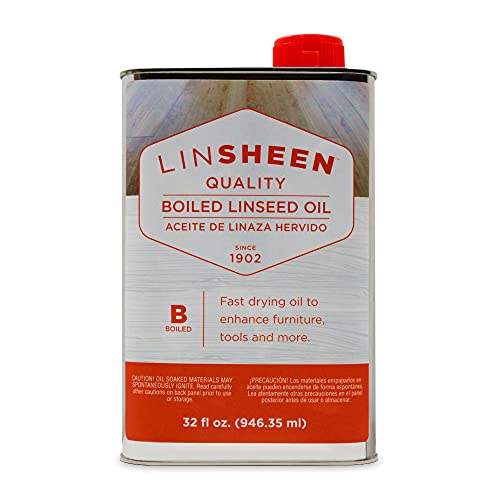
LinSheen Boiled Linseed Oil is a fast-drying option designed to deepen the wood’s color and grain texture. The oil’s boiled formulation includes drying solvents, which accelerates the curing process and helps establish a protective film more quickly than raw linseed oil. It is suitable for both indoor and outdoor wood projects, including furniture and flooring, where a consistent, clear finish is desired. The product emphasizes enhancing the wood’s natural hue while preserving the grain’s visibility, making it a practical choice for projects that benefit from a bright, natural look with added durability.
Pros include improved penetration into the grain and a finish that emphasizes natural wood tones. Users should monitor cured film formation, especially on vertical surfaces, to prevent runs or uneven gloss. Proper ventilation remains important, and as with any oil finish, test a small area first to ensure the final shade aligns with your expectations before applying to larger surfaces.
Sunnyside Pure Raw Linseed Oil, Quart

Sunnyside Pure Raw Linseed Oil is designed for raw wood applications where deep penetration and a natural appearance are preferred. The raw oil does not include drying agents, allowing woodworkers to control the aging and patina process. It penetrates deeply to protect and enrich the wood while increasing water repellency and weather resistance, making it a good fit for interior furniture as well as certain exterior pieces that will be treated with additional sealers. The emphasis on applying to raw wood means less interference with existing finishes, facilitating refinishing projects where stripping is unnecessary or undesirable.
Because this is a raw oil, curing times can be longer and odor may be more pronounced during application. Adequate ventilation and ventilation planning are advisable. Users should apply thin coats, allow sufficient cure time, and consider subsequent sealing with a compatible topcoat for enhanced surface protection. This option suits purists who prefer a traditional oil finish that emphasizes natural wood grain over a glossy sheen.
Tried & True Original Wood Finish

Tried & True Original Wood Finish blends linseed oil with beeswax to deliver a warm, soft appearance while offering meaningful protection against water, liquids, and daily use. This blend is polymerized for faster curing, reducing the need for solvents often associated with boiled linseed products. The absence of harsh drying aids makes it a more forgiving option for indoor projects, enabling safer application without extensive PPE. The finish is designed to be durable and easy to touch up without stripping or sanding, which is ideal for heirloom pieces and furniture that require ongoing maintenance.
One of the key advantages is its long-lasting durability and repairability. Being a wax-oil blend, it tends to produce a more matte to satin look depending on the number of coats and humidity conditions. The product is positioned for woodwork where a traditional, breathable finish is desirable, and it remains compatible with a variety of wood species and surface textures while maintaining a natural feel.
LinSheen Raw Linseed Oil

LinSheen Raw Linseed Oil is a natural, unrefined option intended to rejuvenate and condition wood without additives that speed drying. This product emphasizes a hand-rubbed oil polish approach, aligning with traditional woodworking practices. It is suitable for a broad range of wood items—from furniture to cutting boards—where a more understated, natural finish is preferred. The raw oil allows the wood’s own color and grain to develop over time, making it a versatile choice for projects that require a less glossy, more tactile finish that ages gracefully.
As with raw linseed oil, expect longer cure times and careful surface preparation. The absence of drying agents means careful attention to ventilation and curing conditions to maximize surface hardness and minimize odor during application. This oil is well-suited for crafts, decks, and cabinetry where a durable, natural coating is desired and where a warm, authentic look is valued.
Buying Guide: Key Purchase Considerations
When choosing a linseed oil finish, consider the wood type, desired appearance, and the environment where the project will live. Boiled linseed oils dry faster and can yield a glossier finish, which is desirable for antique furniture or high-traffic surfaces that benefit from quicker handling. Raw oils offer a traditional, more matte appearance with deeper penetration, but curing times are longer and odor may be stronger. Wax and oil blends combine warmth, durability, and water resistance, at the cost of longer curing and different sheen profiles.
Finish and appearance: Decide if you want a subtle, natural look or a more pronounced sheen. Boiled linseed oils typically produce a glossier surface that enhances grain with a warmer tone, while raw linseed oils emphasize grain texture with a more muted finish. Blends with beeswax or polyurethane-like polymers can yield satin to low-gloss finishes and offer easier maintenance or enhanced water resistance.
Durability and maintenance: Oil finishes protect by penetrating the wood and forming a film on the surface. For high-use furniture, blends with wax can provide additional protection against moisture and wear, while raw oils may require resealing more often. Consider whether you want a finish that dries quickly or one that allows longer open times for working the surface and achieving an even coat.
Application and safety: Ensure proper ventilation during application, especially with boiled oils and solvents. Some products are safer for indoor use and revisiting food-contact surfaces when fully cured. For indoor furniture, choose finishes without strong odors or harsh solvents if you have sensitive occupants. Always follow manufacturer directions for coat thickness, cure times, and re-coating intervals to maximize durability.
Wood compatibility and maintenance: Different wood species respond differently to oil finishes. Light woods may darken subtly, while richer grains may intensify with multiple coats. For outdoor use, consider a finish with added water repellency and UV resistance, and plan for periodic maintenance to prevent graying or checking. Keep in mind that some raw oils can darken over time, while certain boiled oils may yield a stronger sheen that could be less forgiving on porous woods.
Cost and availability: While price is a consideration, prioritize performance features like curing speed, film hardness, and maintenance needs. The brands listed here offer a range of options from traditional raw oils to modern polymerized blends. Availability through mainstream retailers often makes it easier to replenish supplies as needed, ensuring consistent finishes across projects.