Pasture management relies on precise weed and brush control to protect grazing quality and land value. The best pasture herbicides target invasive woody plants and broadleaf weeds while preserving desirable grasses, enabling healthier forage and longer-term stand vigor. This guide highlights five top options suitable for rangeland, fence lines, and general pasture maintenance, spanning triclopyr and metsulfuron methyl chemistries and including popular tank-mix possibilities. Each product is evaluated for pasture safety, brush control, and practical use in American grazing systems.
We compare label directions, application flexibility, and weed targets—from brambles and sericea lespedeza to ragweed and wild brush. A quick summary table follows to help you shortlist candidates before reading detailed product sections. Always consult the latest label for exact use rates, grazing restrictions, and safety notes before application.
| Product | Brand | Size | Key Use |
|---|---|---|---|
| Remedy Ultra Pasture Herbicide | Remedy Ultra | 1 Gallon | Brush control; pasture restoration; fence rows |
| Cimarron Plus 10 Oz | Cimarron Plus | 10 Ounces | Broadleaf control pre/post emergence; grasses preserved |
| Cimarron Plus 2 Oz (Bayer) | Bayer | 2 Ounces | Broadleaf control; grasses preserved |
| PastureGard HL | PastureGard HL | 2.5 Gallons | Tree and brush control in pastures |
| Clear Pasture Herbicide | Control Solutions | N/A | Brush and broadleaf control; grazing restrictions apply |
Remedy Ultra For Pastures And Brush Control
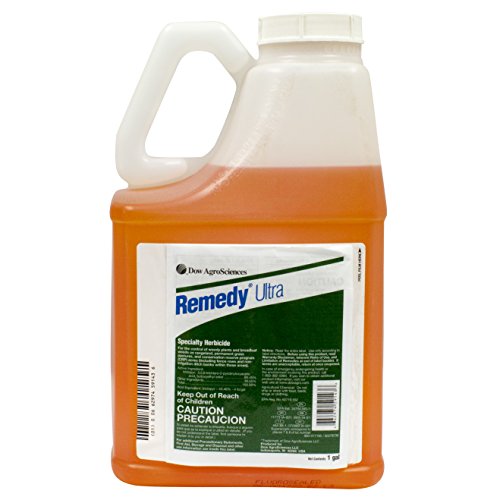
Remedy Ultra is a concentrated triclopyr-based herbicide designed for rangeland, pasture, and fence-line need. It targets woody brush and broadleaf weeds, with the flexibility to be used alone or tank-mixed with compatible products such as GrazonNext or ForeFront HL for enhanced control. The formulation is noted for low odor and efficacy across both roots and new growth, making it a practical option for pasture restoration and brush suppression. Its broad application range supports fence lines and general brush management, where persistent suppression of unwanted species improves forage accessibility and stand health.
When applying Remedy Ultra, proper timing and label-compliant rates are essential for achieving effective results without impacting desirable grasses. Operators should consider weed pressure, target species, and grazing plans to determine dilution and spray coverage. The product is suited to areas where brush encroachment is a concern and where long-lasting suppression can reduce retreatment needs. As with all herbicides, environmental conditions such as temperature, wind, and rainfall influence performance, so plan applications with favorable weather windows and follow re-entry and grazing instructions on the label.
Cimarron Plus 10 Oz Range Pasture Herbicide

Cimarron Plus Range and Pasture Herbicide with Metsulfuron Methyl is supplied in a 10-ounce container and offers robust broadleaf weed control with a focus on protecting grasses. Metsulfuron methyl is a systemic herbicide that targets broadleaf species, enabling effective weed suppression while preserving desirable forage grasses when used according to label directions. The product is suitable for both pre-emergence and post-emergence applications and is typically used to maintain pasture integrity by reducing interference from non-grass competitors. Careful use is advised to prevent damage to desirable grasses and to adhere to grazing or haying restrictions on the label.
Label guidance emphasizes compatibility with tank mixes and careful rate selection to balance efficacy with forage safety. For best results, apply under appropriate weather conditions to maximize uptake, and avoid application during grazing windows specified by the label. As with other herbicides, pest pressure and weed species composition influence outcomes, making precise weed identification and adherence to rate tables crucial for success in pastures and rangelands.
Bayer Cimarron Plus 2 Oz Metsulfuron Methyl

The Bayer Cimarron Plus Range and Pasture Herbicide variant in a 2-ounce size provides Metsulfuron Methyl-based broadleaf control with a focus on maintaining healthy grasses. The product is intended for use in pastures and rangeland where broadleaf weeds may compete with forage crops. Its label guidance highlights careful application to minimize risk to desired grasses, with attention paid to timing and rate to optimize weed suppression while preserving forage quality. As with other metsulfuron-based formulations, tank-mix compatibility and adherence to label directions are important for successful pasture-wide weed management.
Practitioners should consider weed species present, stand age, and grazing plans when selecting this product. Metsulfuron methyl offers effective broadleaf control, but over-application or improper timing can impact grass health. Always verify the product label for restrictions related to grazing and haying intervals, and assess whether a tank-mix with other grass-friendly products is advantageous for the specific pasture situation.
PastureGard HL For Brush And Tree Control
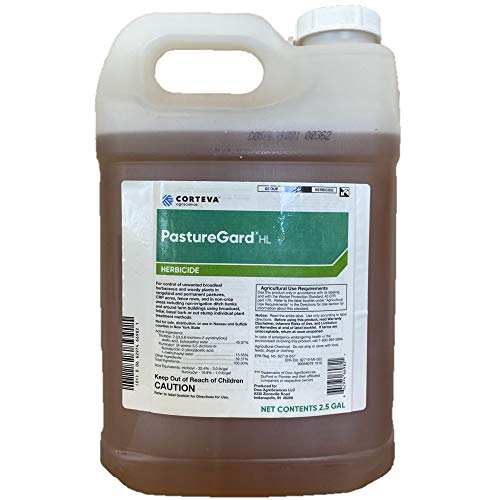
PastureGard HL is a brush and tree-control herbicide designed for pasture settings, including rangeland and rights-of-way. The product is effective against a wide range of woody species and brush, including blackberry, rose species, sweet gum, osage orange, lantana, and wax myrtle. It is also noted for controlling certain troublesome weeds such as Sericea lespedeza, tropical soda apple, ragweed, ironweed, dogfennel, and dock. A key consideration is that PastureGard HL does not provide soil residual control of weeds or brush emerging after application, so repeat treatments may be required for ongoing issues. Adhere to label grazing restrictions and ensure proper timing to maximize brush suppression while protecting forage quality.
Users should evaluate brush density, regrowth potential, and nearby non-target plants when planning applications. Proper sprayer calibration, drift management, and environmental conditions influence both the effectiveness and safety of PastureGard HL. Because brush control is often a longer-term investment in pasture health, plan for follow-up treatments as needed and coordinate with grazing schedules to minimize disruption to forage production.
Clear Pasture Herbicide

Clear Pasture Herbicide uses Triclopyr BEE as its primary active ingredient (around 61.6%), offering effective broadleaf weed and brush control. The label lists grazing and haying restrictions, with specific guidance that excludes lactating dairy animals from grazing restrictions. This product is suitable for grass pastures, rangeland, CRP, forests, rights-of-way, and other non-crop areas, making it adaptable to diverse pasture management contexts. Users should plan applications with attention to grazing schedules and ensure compliance with label restrictions to protect livestock while achieving brush and broadleaf suppression.
Triclopyr-based pastures are often chosen when woody plant suppression is needed without extensive soil residual effects. As with the other products, verifying compatibility with existing pasture management plans and any tank-mix strategies is advisable. Weather and site conditions, along with weed spectrum, will influence overall effectiveness, so consider a staged approach to brush and weed suppression for long-term pasture health.
Buying Guide
Choosing the right pasture herbicide requires balancing weed targets, forage safety, and practical application considerations. The following buyer-focused guidance helps compare options across common pasture scenarios.
- Identify target weeds and brush: If your primary issue is woody brush encroachment (brush, small trees, brambles), a triclopyr-based product like Remedy Ultra or Clear Pasture may be advantageous. For broadleaf weed control while protecting grasses, metsulfuron methyl products (Cimarron Plus variants) are often preferred.
- Consider pasture safety and grazing restrictions: Always review label guidance for grazing intervals, harvest windows, and restrictions for lactating animals. Some products have longer wait periods or seasonal limitations; plan applications around your grazing schedule to avoid conflicts with feed restrictions.
- Active ingredients and selectivity: Triclopyr concentrates on broadleaf weeds and woody plants with relatively selective grass safety when used properly. Metsulfuron methyl targets broadleaf species but can affect susceptible grasses if rates are not carefully applied. Tank-mix options can broaden control while maintaining forage quality.
- Application timing and rates: Efficacy often hinges on weed life stage and weather. Early-season or late-season applications may yield different results. Follow label rate tables precisely and calibrate spray equipment to ensure uniform coverage of target plants.
- Tank-mix compatibility: Some products are designed to be tank-mixed with other herbicides for enhanced control. Check label compatibility and sequence of mixing to prevent incompatibilities or reduced efficacy.
- Weed spectrum and long-term strategy: For ongoing brush control, combining a brush-targeted product with a broadleaf herbicide can be effective. Consider a rotational plan to prevent resistance and maintain pasture health over multiple seasons.
- Environmental and safety considerations: Protect water sources and pollinators by following buffer zones and weather restrictions. Use proper personal protective equipment and store products securely to prevent accidental exposure.
- Product selection framework: If brush control is the priority, PastureGard HL or Remedy Ultra may be favorable. For broadleaf weed suppression with grass safety, Cimarron Plus variants are strong options. Clear Pasture provides a triclopyr-based alternative with specific grazing restrictions to note.
In summary, select a product aligned with your weed profile, grazing schedule, and operational constraints. For mixed brush and broadleaf challenges, a strategic combination or rotation plan—guided by the product labels and local agricultural extension resources—can deliver consistent pasture improvements while safeguarding forage production.