Choosing a heater for a tiny house means balancing space, energy use, and safety. This guide highlights five top compact heaters that fit small living areas, cabins, and compact off‑grid setups. Each option above provides distinct advantages—ranging from electric radiant warmth to space‑saving wall mounts and portable propane comfort. The aim is to help you compare heat output, safety features, and ease of installation so you can pick the right fit for your tiny home environment.
| Product | Brand | Best For | Heat Type |
|---|---|---|---|
| Milkhouse Space Heater | BEYOND HEAT | Three heat levels with thermostat | Electric convection with fan option |
| Mr. Heater Buddy | Mr. Heater | Portable radiant warmth in small spaces | Propane radiant heater |
| Dr Infrared Heater Portable Space Heater | DR. INFRARED HEATER | Large rooms with energy efficiency | Infrared + PTC |
| EZ-HEAT 1500W Milkhouse Style | EZ-HEAT | Garage or enclosed space heating | Electric convection |
| Heat Storm Wifi Infrared | Heat Storm | Space‑saving wall mount with smart control | Infrared wall heater |
Milkhouse Space Heater By BEYOND HEAT

The BEYOND HEAT Milkhouse Space Heater offers flexible warmth with three adjustable power levels and a dedicated fan‑only option. Users can select 1300W or 1500W to target specific areas, while the fan‑only setting helps circulate air without delivering heat. An anti‑freeze feature activates the heater when temperatures dip below 40°F, helping prevent cold spots in a tiny home before the main heating system starts. The unit prioritizes safety with a tip‑over switch that shuts the heater off if tipped and an automatic overheat protection device inside the body. These protections reduce common hazards in compact living spaces.
Durability and safety are central. The Milkhouse heater is built with heavy‑duty materials and has earned ETL certification, indicating compliance with safety standards for electrical devices. In a tiny house, this translates to reliable performance in a compact footprint without requiring complex installation. The combination of a thermostat, multiple heat settings, and a balanced approach to heat distribution makes it suitable as a primary or supplementary heat source in small rooms or workshops. The unit’s simple layout supports quick placement on a tabletop or shelf, maximizing floor space for other essentials.
For tiny homes that experience variable occupancy or seasonal changes, the Milkhouse Space Heater provides predictable warmth with controllable output. It performs well as a bedside heater for bedrooms, a small living area warmer, or a workshop companion. While it is not designed to heat an entire large open plan, its targeted heat settings help you nail down comfortable zones in a compact footprint.
Mr. Heater Buddy Portable Radiant Heater
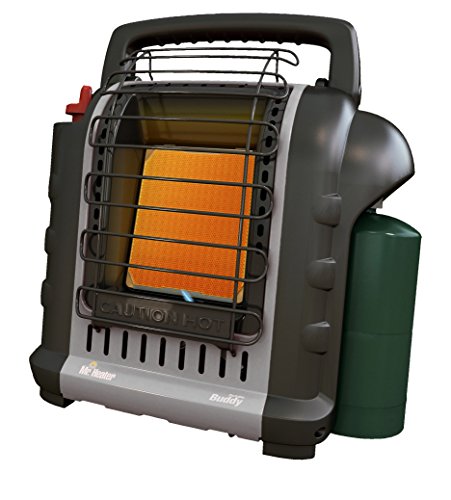
The Mr. Heater Buddy provides portable radiant warmth suitable for tight spaces often found in tiny houses or RVs. It delivers 4,000 to 9,000 BTU, heating spaces up to around 225 square feet. This makes it a strong match for small living areas that require quick, direct heat rather than extended air circulation. The unit is approved for indoor and outdoor use and is designed to burn cleanly, offering nearly complete efficiency for reduced energy waste in small rooms.
Safety features are a focal point. Auto shut‑off triggers occur if the unit is tipped, if the pilot light goes out, or if low oxygen is detected. These protections are valuable in compact dwellings where safety margins matter. However, propane heat requires proper ventilation and careful fuel management, especially in enclosed tiny houses. The Buddy’s portability and moderate heat range make it ideal as a supplemental heat source for cool evenings or as a backup during cold snaps.
In practice, the Mr. Heater Buddy shines in small, well‑ventilated spaces, such as a tiny living room, a camper, or a workshop alcove. It is less suited to a fully enclosed day‑to‑day space without ventilation, where electric heaters may offer safer long‑term operation. For users who value mobility and quick zoning heat, the Buddy is a practical option to round out a compact heating plan.
Dr Infrared Heater Portable Space Heater

The Dr Infrared Heater Portable Space Heater uses a dual heating system—infrared quartz tube plus a PTC element—to deliver substantial warmth with efficiency. It is designed to heat large rooms more effectively than many compact units, which can be beneficial in a tiny house with an open floor plan. The unit includes a 12‑hour automatic shut‑off timer, an IR remote, and a high‑pressure, low‑noise blower operating at about 39 dB, enabling comfortable use in living spaces or bedrooms without a disruptive hum.
Energy efficiency features include an Auto Energy Saving Mode that adjusts output for comfort without excessive power draw. The heater’s dual heating system provides robust initial warmth and steady comfort, reducing the need for continuous operation. This makes it a strong candidate for open or studio layouts where you want consistent heat without frequent re‑fire cycles. The Dr Infrared Heater is notable for quiet operation and a long service life when used with proper ventilation and routine maintenance.
For tiny houses where space and thermal distribution matter, the Dr Infrared Heater offers a reliable balance of heat density and quiet operation. It’s well suited to living areas, larger bedrooms, or workshop spaces where radiant warmth can create a comfortable zone with minimal equipment footprint. While it consumes significant power, its efficient delivery and programmable features help optimize daily use in a controlled climate.
EZ-HEAT 1500W Milkhouse Style Heater

The EZ-HEAT Milkhouse Style Heater emphasizes cost‑effective heating for compact spaces. With a robust 1500 W performance, it provides targeted warmth ideal for enclosed areas such as small garages or workspaces within a tiny home. The unit offers three heat settings and a fan‑only option, helping to customize air circulation without excessive heat. An adjustable rotary thermostat gives precise control over the temperature, enabling steady comfort across fluctuating indoor conditions.
Safety is central with overheat protection and a safety tip‑over switch to prevent accidental hazards. The design prioritizes reliability in tight spaces, where a simple, durable heater can be left running with minimal oversight. Its compact form factor makes it easy to place near seating or work zones, ensuring warmth where it’s needed most without dominating precious square footage.
For users who want a straightforward, economical electric heater that still delivers versatile heat, the EZ‑HEAT unit provides dependable performance with practical controls. It’s especially suitable for small garages, workshops, or auxiliary heat in a tiny home where other heat sources may not be feasible.
Heat Storm Wifi Infrared Heater

The Heat Storm HS‑1500‑PHX‑WIFI Infrared Heater is designed for space‑saving efficiency with a wall‑mounted profile. A Wi‑Fi capability enables remote temperature control from a smartphone, which can be convenient for tiny houses where comfort is synchronized with daily schedules. The unit includes a touch screen digital thermostat and a remote, allowing precise adjustments without reaching for a traditional dial. Its wall‑mounted design helps preserve floor space in tight rooms while delivering steady infrared heating.
Safety features include a tip‑over safety shut‑off and a compact, enclosed heater body that reduces accidental contact hazards. The wall mount keeps the heater out of the way in small living spaces and can help with even heat distribution across a room. The Heat Storm unit is suitable for bedrooms, kitchens, and home offices where a discrete heater with smart capabilities enhances daily comfort without clutter.
In practical tiny‑home scenarios, wall‑mounted infrared heat provides a quiet, efficient alternative to freestanding units. The combination of heat delivery, space savings, and remote control support makes it appealing for climate control in compact living areas where you want predictable warmth with minimal footprint.
Buying Guide
Size And Heat Output
Tiny houses demand heaters that closely match the space. Evaluate the heater’s BTU rating or wattage in relation to the square footage you intend to heat. For open plan living areas under 400 square feet, a 4,000–9,000 BTU radiant or convection heater often provides sufficient warmth with reasonable energy use. For enclosed rooms or bedrooms, a smaller unit with adjustable output helps maintain comfort without overshooting the temperature.
Heat Type And Distribution
Electric convection and fan models spread warmth more evenly, while infrared and radiant heaters provide direct comfort to people and objects. In tiny homes with high ceilings or large windows, infrared or radiant options can feel warmer with less energy, as they heat occupants rather than the air. Wall‑mounted infrared heaters save floor space, and portable units offer flexibility when you move between rooms.
Safety Features
Key safety features include tip‑over switches, automatic overheat protection, and oxygen‑deprivation sensors. In small spaces, these protections reduce fire hazards and unexpected heat build‑ups. Look for UL or ETL certification, sturdy housings, and cool‑to‑touch surfaces where possible. If you’re using propane or other fuel sources, ensure proper ventilation and adherence to local codes.
Power Source And Operating Costs
Electric heaters rely on standard household circuits, but high‑wattage models may require dedicated outlets or circuit considerations. Propane heaters require fuel management and ventilation, while wood‑stove options demand space for safe operation and ash disposal. For tiny homes, pairing an electric heater for daily comfort with a backup fuel option for power outages can optimize reliability and cost.
Installation And Space Considerations
Consider how much floor space you can spare and whether you prefer portable units or fixed installations. Wall‑mounted infrared heaters preserve square footage, while compact freestanding models fit on a table, shelf, or corner. For open‑plan spaces, a heater with a broad heat distribution pattern helps minimize cold zones and reduce daily energy use.
Durability, Warranty, And Support
Choose models with durable casings, reliable components, and solid warranty coverage. Tiny homes may experience frequent movement or relocation, so a well‑built unit with accessible customer support offers long‑term value. Reading user reviews can reveal real‑world reliability and typical maintenance needs in off‑grid or compact settings.
In summary, the best heater for a tiny house balances space, heat output, safety, and energy efficiency. Electric options are convenient for daily use and consistent operation, while radiant and wall‑mounted designs can maximize comfort with minimal footprint. For households seeking reliability and flexibility, the five products above provide a spectrum of approaches—from portable warmth to smart, space‑saving heating solutions. Always assess your climate, insulation, and occupancy patterns to tailor the choice to your unique tiny home.