Clay soil offers rich nutrients but can trap water and compact easily, challenging root growth and foundation stability. The right amendments and substrates turn heavy clay into a nurturing base for plants, ponds, and landscapes. This guide highlights five Amazon products that work with clay foundations—from pond sealing to soil conditioning and plant substrates—to help you build a healthier, more stable foundation. Each product is chosen for versatility, natural composition, and clear benefits for clay-rich environments. Use these options to improve drainage, retain essential moisture, and support robust root systems across gardens, containers, and water features.
| Product | Brand | Size | Primary Benefit |
|---|---|---|---|
| Bentonite Pond Seal For Clay Soil | Natural Waterscapes | 25 Pounds | Expands on contact with water to seal clay soils and stop leaks |
| Calcined Clay Additive For Bonsai | Voulosimi | 18 LB | Moisture retention and improved soil structure for bonsai and succulents |
| Aquatic Plant Soil For Water Gardens | Omitgoter | 3.3 LBS | Natural clay-based substrate; supports aquatic plant growth |
| Aquatic Plant Soil For Water Gardens | Omitgoter | 6.6 LBS | Supports microbial balance and ecological stability in water features |
| Clay Pebbles For Drainage And Roots | Leaves and Soul | 2.2 Quarts | Improved drainage, aeration, and root growth in containers |
Bentonite Pond Seal For Clay Soil

The Natural Waterscapes Bentonite combines glassy chips and powder to form a flexible, natural seal when it contacts water. Its swell index exceeds 30, enabling rapid expansion to plug leaks in clay soils common around ponds, lakes, garden edges, and farm basins. This product is marketed as an all-natural pond sealant suitable for large ponds, livestock tanks, and various waterproofing tasks that require a durable, water-activated barrier. For foundations or landscape edges built on clay substrata, this material helps reduce leakage and soil washing, promoting a more stable base over time.
- Expands in water to form a flexible seal
- High swell index (>30) for strong leak resistance
- All-natural composition suitable for outdoor use
Typical applications include pond repair, dam edges, and channel sealing where clay soils dominate. For best results, follow mixing and application guidelines from the product packaging and ensure adequate hydration during installation. This product complements other clay foundation strategies by creating a robust, water-activated barrier that improves overall foundation integrity around water features and damp soils.
Calcined Clay Additive For Bonsai

Voulosimi’s Horticultural Calcined Clay serves as a moisture-retentive soil additive ideal for bonsai, succulents, and cactus mixes. Calcined clay improves soil structure by increasing porosity and moisture storage, helping clay-heavy substrates maintain steadier moisture levels without compacting. The product is presented as suitable for traditional potting mixes as well as hydroponics and aeroponics, aligning with a broader approach to soil health in clay foundations. When used in moderation, it helps clay soils resist crusting, supports even irrigation, and promotes resilient root systems across container and in-ground plantings.
- Moisture retention to reduce frequent watering
- Soil structure improvement for clay mixes
- Versatile use in bonsai, succulents, and hydroponic systems
In clay-based landscapes, this additive helps balance water dynamics, allowing roots to access steady moisture without becoming waterlogged. It can be blended into potting mixes for potted plants or integrated into garden beds where clay soils need improved texture and aeration. The result is healthier root development and better nutrient uptake in compact clay environments.
Aquatic Plant Soil For Water Gardens (3.3 LBS)
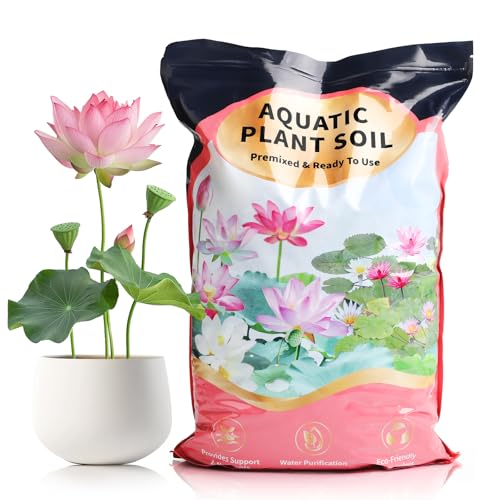
Omitgoter’s Aquatic Plant Soil is a 100% natural clay-based substrate designed for aquatic plants, including lotus and water lilies. It promotes ecological balance by supporting microbial activity in the substrate, creating a stable environment for aquatic species. The soil is marketed for all-scenario compatibility—from lotus pond landscaping to aquarium substrate, hydroponics, and rainforest terrariums—making it a versatile option for clay-rich water features that require a nutrient-rich, stable substrate. For clay foundation projects near water, this soil supports long-term plant health and water-aware habitat balance.
- 100% all-natural soil mixture
- Supports microbial activity and ecological balance
- Compatible with ponds, aquariums, hydroponics, and terrariums
When using in clay climates, ensure proper layering and irrigation practices to avoid abrupt moisture changes. This substrate provides a dependable clay-based base that fosters healthy plant roots while sustaining beneficial soil microbes—an essential element for thriving water garden ecosystems.
Aquatic Plant Soil For Water Gardens (6.6 LBS)
This larger-size version of the same Omitgoter aquatic soil provides a nutrient-rich clay base designed for more extensive water garden setups or higher plant loads. It emphasizes ecological balance by supporting microbial activity and offering broad, all-scenario compatibility for lotus ponds, aquariums, hydroponics, and rainforest terrariums. The expanded volume helps aquascape enthusiasts or irrigation projects manage larger clay-ground substrates without sacrificing the stability and moisture management needed for aquatic plants. Like the smaller size, it aims to create a steady, healthy substrate for diverse aquatic species.
- Larger volume for bigger projects
- Maintains microbial activity for healthy substrates
- Adaptable to ponds, aquariums, hydroponics, and terrariums
When integrating with clay foundations around water features, plan for gradual dosing and monitor moisture to prevent compaction. This product provides a dependable clay-based base that supports aquatic plant health and water quality over time.
Clay Pebbles For Drainage And Roots

Leaves and Soul Professional Clay Pebbles are expanded clay pebbles designed to improve drainage and aeration, making them ideal for container gardens and raised beds with clay-heavy substrates. They create air spaces within the growing medium, helping roots access oxygen and preventing waterlogging. These pebbles are suitable for a range of plants, from succulents to orchids, and they support healthy root systems by promoting drainage and steady moisture levels. For founders seeking a lightweight, reusable substrate improvement option, clay pebbles offer a practical solution for clay foundations in pots and raised containers.
- Improved drainage and aeration for roots
- Supports a variety of plant types
- Lightweight, reusable substrate additive
In clay-based container gardens, these pebbles help prevent over-watering while still maintaining adequate moisture. They are particularly useful when repotting plants into clay soil environments or blending with other soil amendments to create a balanced foundation for container plants.
Buying Guide: Key Considerations For Clay Soil Foundations
Choosing the right foundation amendments for clay soils depends on the intended use, climate, and maintenance plan. Below are core considerations to help you compare options and decide which product family best matches your project goals.
- Soil goal and context: Decide whether you need improved drainage, moisture retention, or leak sealing around water features. Bentonite targets leaks and dense grounds, calcined clay enhances structure and moisture retention, and clay pebbles favor drainage in containers.
- Material type and environmental impact: Bentonite, calcined clay, and clay pebbles are natural or mineral-based options. Consider long-term environmental compatibility and whether you prefer a natural sealant or a performance-focused substrate.
- Project scale and accessibility: Ponds and dams require larger, durable applications, while bonsai and container gardens benefit from finer soil amendments. Size and packaging should align with project scope to minimize waste and handling.
- Moisture management: Clay soils tend toward water retention and compaction. Choose products that target the specific moisture profile you want—drainage enhancers for root zones or moisture-retentive amendments for seasonal droughts.
- Application method: Some products are mixed into soil, while others are layered or applied as a seal on the substrate. Follow manufacturer guidelines for best results and avoid over-application, which can disrupt soil biology.
- Durability and maintenance: Consider how often amendments need replenishment. Ponds and large-scale foundations may require periodic reapplication, while clay pebbles can be long-lasting in containers.
- Compatibility with aquatic and terrestrial use: If your project involves water features, select substrates designed for aquatic ecosystems to maintain ecological balance and plant health.
- Storage and handling: Many clay-based amendments are inert and safe, but some require moisture control and proper storage to prevent clumping or degradation.
When evaluating options, compare how each product aligns with your climate, soil composition, and maintenance capacity. A layered approach—combining a leak-sealing product around foundations with a moisture-management amendment in planting beds—often yields the most stable, long-lasting results for clay soils. Always start with a small test area to observe how your soil responds before committing to larger applications.