Choosing flowering shrubs for partial sun means seeking color, seasonal variety, and low-maintenance care. The five shrubs below perform well with four to six hours of sunlight daily, delivering consistent color from spring through late summer. They include evergreen and deciduous forms, fragrance options, and different growth habits, making it easier to design borders, foundations, or patio containers that stay vibrant even when the sun isn’t at peak. Each selection brings texture and wildlife appeal, so you can create inviting outdoor spaces without stressing over sunlight levels.
Key considerations when selecting shrubs for partial sun include mature size, soil moisture needs, pruning requirements, and whether fragrance or wildlife attraction matters most. The table and product sections highlight practical details matched to common US garden zones and yard layouts. The five picks span several families, allowing you to mix textures and colors while keeping maintenance simple.
| Product | Brand | Light | Bloom / Color | Notes |
|---|---|---|---|---|
| Encore Azalea Autumn Royalty | Encore Azalea | Partial Sun | Deep Pink Blooms | Reblooming evergreen shrub; grows up to 4.5 ft W x 4 ft H; great for massing; minimal pruning required; attracts butterflies, hummingbirds, and bees. |
| Frostproof Gardenia | Plants by Mail | Full to Partial Sun | Fragrant White Blooms | Glossy evergreen foliage; versatile for hedges, specimen plantings, or containers; minimal care with occasional pruning. |
| Weigela Spilled Wine | Green Promise Farms | Partial Sun to Full Sun | Pink Flowers | Dark purple foliage provides striking contrast; 18-24 in tall with 24-36 in spread; ideal for borders or mass plantings. |
| Deutzia Yuki Snowflake | Green Promise Farms | Full Sun to Partial Sun | White Flowers | Elegant spring blooms; 1-2 ft tall, 1-3 ft spread; grows well in sun or partial sun in suitable zones. |
| Syringa x Bloomerang Dark Purple | Green Promise Farms | Partial Shade to Full Sun | Dark Purple Blooms | Reblooming lilac; popular for fragrance and repeated bloom; garden focal point with a classic lilac scent. |
Encore Azalea Autumn Royalty
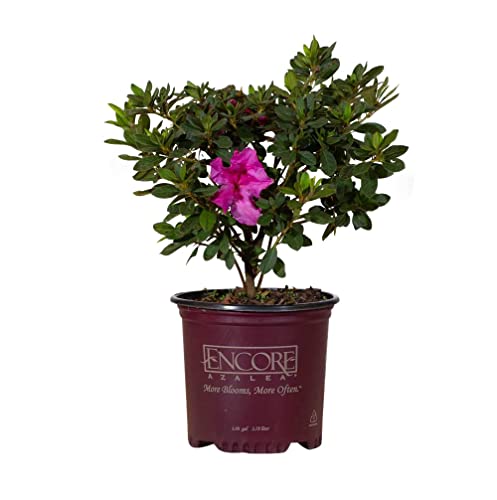
Encore Azalea Autumn Royalty is a reblooming evergreen azalea with deep pink blooms and a dense habit that supports mass planting. It requires minimal pruning to maintain form, and pruning is best done immediately after spring flowering. Once established, light pruning can encourage growth and flowering in future seasons, while fall pruning should be avoided to protect next-year buds. This shrub emphasizes year-round color, with sustained beauty through multiple seasons and a compact yet impactful footprint in foundation plantings or mixed borders.
In spring through fall, Autumn Royalty provides repeated bursts of color while attracting pollinators such as butterflies, hummingbirds, and bees. It is well-suited to borders, entryways, and mass plantings where a focal point is desired. It can tolerate a range of soil types with adequate moisture, and its evergreen foliage provides year-round structure even when not in bloom.
Frostproof Gardenia

The Frostproof Gardenia features fragrant, velvety white blooms against glossy dark green foliage. Its versatility makes it suitable for hedges, specimen plantings, or container use by an entrance to welcome visitors with its captivating fragrance. This gardenia thrives in full to partial sunlight and requires minimal care; occasional pruning helps maintain a shapely form and encourages more blooms. Its frost tolerance adds resilience in cooler spells, preserving the beauty of its blooms across seasons.
Plant care centers on consistent moisture and well-drained soil. Gardenias typically prefer slightly acidic soil and consistent watering, especially in warmer months. Their fragrance and elegant leaf texture bring a refined, classic touch to shrubs in partial sun locations, and they respond well to light cultivation and regular mulching to preserve moisture and temperature stability around the root zone.
Weigela Spilled Wine Shrub

Weigela Spilled Wine is a vibrant flowering shrub known for its pink blooms and dramatic dark purple foliage. Delivered in a 3-gallon container, it is ready to plant upon arrival when weather permits. It performs well in USDA zones 4-8, reaching heights of 18-24 inches with a spread of 24-36 inches. This selection thrives in partial shade to full sun, providing reliable color in borders, foundation plantings, or mixed beds. Its bloom period in late spring to early summer adds seasonal drama to any landscape.
Care involves regular watering during establishment and occasional pruning after flowering to maintain shape and encourage subsequent blooms. It is ideal for gardeners seeking a showy, low-maintenance shrub that brightens low-light areas without requiring extensive attention.
Deutzia Yuki Snowflake

Deutzia Yuki Snowflake delivers classic white blossoms on a compact, adaptable shrub. It is suitable for sites receiving full sun to partial sun and is often used in mixed borders, hedges, or as a seasonal accent in beds. Plants are delivered in a #3 container and are fully rooted, ready for immediate planting, weather permitting. This cultivar tends to perform best in USDA zones 5-8 and reaches a mature height of about 1-2 feet with a comparable spread, offering a light, airy bloom that brightens spring scenes.
The early-season flowers are a key feature, with a refined bouquet that complements other spring colors. Regular but light pruning after flowering helps sustain a tidy shape and promote healthy rebloom in favorable conditions, while ensuring the plant remains well-proportioned in small gardens or container arrangements.
Lilac Bloomerang (Syringa x Bloomerang Dark Purple)
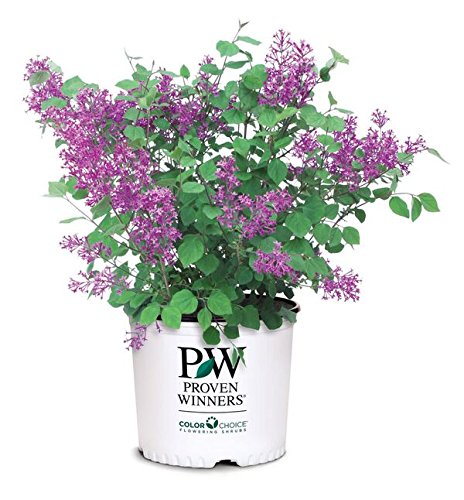
Lilac Bloomerang is a reblooming lilac known for its rich, dark purple flowers and enduring fragrance. It tolerates partial shade to full sun, making it a versatile choice for many suburban landscapes. The plant is described as ready to plant and fully rooted, with a tendency to rebloom from spring into late summer or fall when conditions permit. It pairs well with lighter-colored perennials and other blooming shrubs, creating a layered display with repeated color and scent across seasons.
Gardeners should plan for well-drained soil and adequate space, as lilacs can become leggy if crowded. Pruning after spring blooms helps maintain shape and encourages healthier flowering in subsequent seasons. This shrub is a good option for those seeking a fragrance-packed, multi-season display in partial sun areas.
Buying Guide
- Sunlight and site: Partial sun generally means 4–6 hours of direct light. Consider microclimates, afternoon shade, and soil moisture. Some varieties tolerate more sun, while others prefer shade to avoid leaf scorch or bloom drop.
- Growth habit and space: Note mature height and width to avoid overcrowding. Ground beds, foundation plantings, and containers each have different space needs. Reputable varieties can range from compact 1–2 ft stature to broader shrubs several feet tall.
- Bloom time and color: If continuous color is a goal, select reblooming types or stagger color by mixing early and late bloomers. Fragrance is a consideration for garden ambiance and wildlife attraction.
- Soil and irrigation: Most flowering shrubs prefer well-drained soil and regular moisture, especially after planting. Some prefer acidic soils (like gardenias) while others tolerate neutral soils. Mulching helps conserve moisture and regulate soil temperature.
- Maintenance and pruning: Pruning timing matters. Many shrubs bloom on current-year wood, so prune immediately after flowering to protect next season’s buds. Avoid cutting flowering wood in late season when buds are forming.
- Hardiness and zones: Check USDA hardiness zones for each cultivar to ensure winter tolerance in your area. Some species are more frost-tolerant than others, influencing winter survivability and spring performance.
- Care needs and pests: Some shrubs require more attention to pest pressures or disease management. Gardenias can be particular about moisture and pH, while lilacs may need attention to powdery mildew in hot, humid climates.
- Container suitability: If growing in containers, choose compact cultivars and ensure pot size provides adequate root space. Regular feeding and consistent moisture are essential for container performance.
- Availability and cost: Seasonal availability and shipping considerations may influence purchase timing. Look for proven performers with solid nursery support and clear care instructions.