Find the right fine art print paper for your needs by comparing texture, weight, and archival qualities. This guide highlights five top options across inkjet, cotton rag, watercolor, and matte presentation papers. Ideal for artists, photographers, students, and hobbyists seeking durable, vibrant results.
| Product | Best For |
|---|---|
| Strathmore 59-701 Textured Inkjet Paper | Inkjet printing with pastel or watercolor-inspired textures |
| Epson Velvet Fine Art Paper | Museum-quality, 100% cotton rag, archival prints |
| Hahnemuhle Platinum Rag Fine Art Paper | Premium cotton rag for museum-grade color reproduction |
| Oleitodh Cotton Watercolor Paper 8.5×11 | Watercolor and mixed-media for vibrant, absorbent layers |
| Epson Premium Presentation Matte | Non-glare, versatile matte prints for photos and crafts |
Strathmore Textured Inkjet Paper — 8.5×11

Features: Lightly textured paper, ideal for replicating pastel or watercolor artwork, 80 lb inkjet paper. This option is best for artists who want a tactile surface that can mimic traditional media while staying compatible with high-quality inkjet printers.
- Best for: Amateur and professional artists seeking texture without sacrificing print clarity.
- Why selected: Combines texture with inkjet compatibility for approachable fine art prints.
- Caution: Textured surface may show more grain in ultra-detailed photography; save for artworks with painterly looks.
Epson Velvet Fine Art Paper — 8.5×11
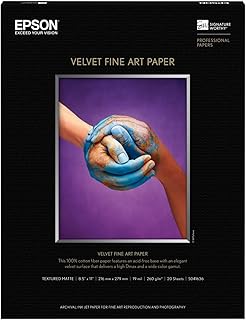
Features: Museum quality, acid-free base to preserve fine art and photos; 100% cotton rag for archivability; bright white surface for excellent color reproduction. This paper is designed for long-lasting, gallery-quality results under proper framing and storage.
- Best for: Serious photographers and artists needing archival, vibrant color with depth.
- Why selected: Cotton rag and archival properties ensure longevity and faithful color.
- Caution: Higher cost than standard inkjet papers; best used for finished, display-worthy pieces.
Hahnemuhle Platinum Rag Fine Art Paper — 8×10″

Features: 100% cotton, 300 gsm, smooth, subtle textured surface, natural bright white. This premium paper is favored for high-end reproductions where smooth tonal transitions matter as much as texture.
- Best for: Artists seeking a refined surface for detailed color work and archival longevity.
- Why selected: Superior cotton content and weight deliver dimensional prints with minimal show-through.
- Caution: Slightly less forgiving for very wet media; best for inkjet reproduction and light painting techniques.
Oleitodh Cotton Watercolor Paper — 8.5×11

Features: 150 sheets, 8.5×11, 230 gsm, cotton watercolor paper; good water absorption, reduced warping, versatile for watercolor, gouache, acrylics, inks. Bulk pack supports classroom and studio use.
- Best for: Students, hobbyists, and teachers needing affordable, reliable watercolor paper in bulk.
- Why selected: Cotton composition improves absorption and pigment distribution while minimizing warping.
- Caution: Texturing is subtle; best for painterly results rather than ultra-detailed line work.
Epson Premium Presentation Matte — 8.5×11

Features: Double-sided matte finish, great for non-glare photographs, crafts, and signage; resists fading up to 72 years; compatible with all inkjet printers. A versatile choice for displays and presentations.
- Best for: Display-ready prints, classroom projects, and crafts requiring a glare-free surface.
- Why selected: Matte surface reduces glare and enhances viewing in bright spaces.
- Caution: Not ideal for high-saturation glossy photo finishes; compare with cotton rag for archival value.
Buying Guide
What should you consider when choosing fine art print paper?
- Surface texture: Do you want a textured, velvet, or smooth surface? Textured papers suit painterly looks, while smooth cotton rag emphasizes color depth.
- Weight and thickness: Heavier papers (like 300 gsm) resist warping and feel substantial, good for framing. Lighter papers are suitable for quick proofs or practice.
- Material: Cotton rag offers archival stability and rich color; wood pulp papers are typically more affordable but may require careful storage.
- Color reproduction: Bright white, natural white, or off-white surfaces affect perceived color vibrancy. Match surface to your medium.
- Print compatibility: Ensure your printer supports the paper weight and that the ink type (pigment vs dye) aligns with longevity goals.
- Intended use: Gallery prints, portfolios, or school projects each benefit from different balances of texture, whiteness, and durability.
Frequently Asked Questions
- What paper is best for museum-quality prints? Cotton rag papers with archival coatings are commonly favored for their longevity and color fidelity.
- Is textured paper better than smooth for photography? Smooth papers often render photos with sharper detail, while textured papers add artistic character for reproductions of paintings.
- Can I use watercolor paper for inkjet printing? Yes, but verify inkjet compatibility and consider weight to avoid curling or jamming.
- How does weight affect printing? Heavier papers resist tearing and warping, especially in larger formats, but require printers capable of heavier stock.
- Should I choose matte or glossy finishes? Matte reduces glare and is ideal for displays in bright rooms; glossy or velvet finishes provide richer color and depth for certain subjects.
- Are bulk papers worth it for hobbyists? Bulk packs often lower per-sheet cost and are practical for practice, classes, and large projects.