Choosing the right fertilizer for a fresh St Augustine sod install matters. The best formulas support rapid establishment, promote deep root growth, and maintain color without stressing your lawn. For new sod, consider starter blends with balanced NPK, iron for greening, and slow-release nitrogen to extend feeding. The following five products are well-suited for new St Augustine lawns and overseeded patches, offering a range of formulations from synthetic to organic. Use the buying guide below to compare features and plan a feeding schedule.
| Product | Brand | NPK | Size / Coverage | Why It Fits |
|---|---|---|---|---|
| SeedRanch St Augustine 24-2-11 | Lesco | 24-2-11 | 50 lb | Iron for greening; up to 12,000 sq ft |
| Lawn Synergy Starter 15-20-10 | Lawn Synergy | 15-20-10 | 18 lb | Fast germination; AMP-XC biocatalyst |
| Scotts Turf Builder Starter | Scotts | 24-25-4 | 15 lb | Supports new seed and sod; quick establishment |
| Lesco 50 lb St Augustine Weed & Feed | LESCO | 17-0-17 | 50 lb | For St Augustine; slow release; Floratam friendly |
| Southland Sod Farms Starter 15-15-15 | Southland Sod Farms | 15-15-15 | 18 lb | Starter blend for sod/seed; promotes establishment |
The products above were selected for their relevance to newly installed St Augustine sod and overseeded patches. They provide starter nutrients, iron for color, and formulations that align with warm-season grasses common in American lawns. When choosing, consider your soil test results, irrigation schedule, and whether you prefer synthetic or organic options. The following sections outline what to look for and how to apply these products for best results without harming the lawn during its critical early growth phase.
SeedRanch St Augustine 24-2-11 Fertilizer
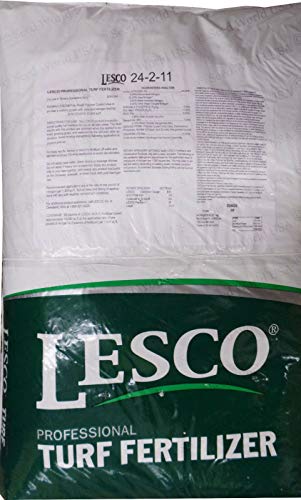
Designed for St Augustine lawns, this Lesco formula delivers a 24-2-11 NPK ratio and includes 6% iron to boost greening. The product provides nutrients suitable for establishing new sod and maintaining color as the lawn matures. Coverage lists up to 12,000 square feet, making it a practical choice for medium to large yards with fresh sod. The iron content helps develop a rich, vibrant green quickly, which is especially desirable after a sod installation. Apply according to the label’s guidelines, typically in slow, even applications to avoid leaf burn during hot weather.
Key considerations: iron content supports color; a mid-range nitrogen level supports steady growth without rapid, weak growth spurts; compatibility with St Augustine varieties is highlighted in its marketing, making it a sensible starter option for new sod and patches.
Lawn Synergy Starter 15-20-10 Fertilizer
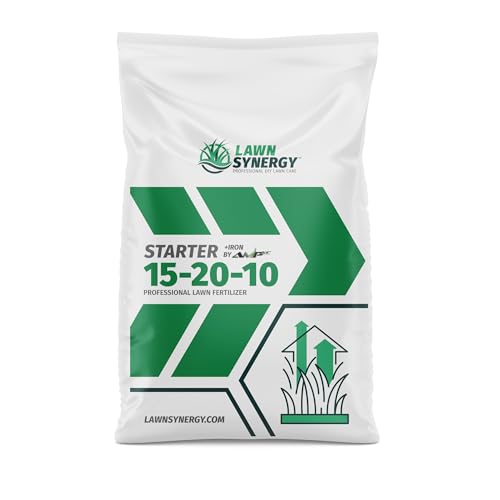
Lawn Synergy’s Starter Fertilizer is specifically described for new lawns and overseeding, making it a strong match for fresh St Augustine sod. It uses a balanced 15-20-10 NPK ratio with added iron to help greening. A standout feature is the ALL-N-L nitrogen stabilizer, which minimizes nitrogen loss by up to 57%, keeping feeding resources in the root zone longer for deeper, faster green-up. AMP-XC Biocatalyst Technology further enhances nutrient uptake, supporting soil health and resilient turf. This product is marketed for quick germination and robust root development and is suitable for overseeded patches and newly laid sod alike.
Application tips: begin after initial rooting typically a few weeks after installation, and follow the recommended rate to avoid burn. Pair with regular watering in the days following application to promote nutrient movement into soil.
Scotts Turf Builder Starter Fertilizer

Scotts Turf Builder Starter fertilizer is widely used for new seedings and sod. The product profile highlights a 24-25-4 ratio, delivering nutrients essential for developing lawns. It is noted to help new grass grow 70% thicker and 35% quicker than unfed grass, with improved seeding results. While particularly effective for seed, it also supports sod and plugs, offering a balanced upgrade for a fresh St Augustine lawn. Use during the early stages of establishment when roots are taking hold and new blades are emerging, and avoid frequent, high-rate applications that could oversaturate the root zone.
Lesco 50 Lb St Augustine Weed & Feed
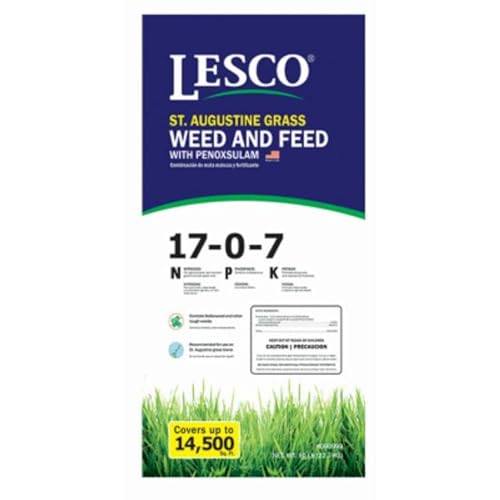
Lesco’s 50-pound formulation is designed specifically for St Augustine turf. The product is described as 17-0-17 with slow-release properties that provide feeding over several weeks, aligning with the needs of new turf. It is intended for use when the turf is wet, with a drying period before continued growth. The product is noted as safe for Floratam varieties and aims to deliver up to eight weeks of nourishment. For best results on newly installed sod, apply sparingly and follow the label’s timing guidance to avoid potential damage to tender roots.
Southland Sod Farms Starter 15-15-15

Southland Sod Farms’ starter fertilizer blends target sod and seed establishment with a classic 15-15-15 NPK ratio. The product is designed to accelerate establishment during the first weeks after transplanting or seeding, supporting rapid root development and early blade growth. The 18-pound package is convenient for mid-sized projects or for supplementing larger sod installations where multiple applications are planned. This option is suited to general lawn repair and new sod projects where a balanced, equally weighted nutrient mix is desired.
Buying Guide
Key Purchase Considerations
For new St Augustine sod, seek a fertilizer with a balanced NPK ratio that supports establishment without aggressive top growth. Iron is helpful for quick greening, but excessive iron can cause staining or soil imbalances. Starter formulas with phosphorus (the middle number) support root development, which is critical right after installation. Consider whether you prefer synthetic or organic options, and check for slow-release nitrogen to extend feeding time and reduce the need for frequent applications.
Synthetic vs Organic Options
Synthetic blends, like the starter fertilizers in this list, often deliver rapid, predictable growth and are easy to apply on new sod. Organic options prioritize soil biology and environmentally friendly ingredients, but may provide slower, steadier results. For a brand-new lawn, synthetic or blended products with microbial biocatalysts can jump-start root growth while providing safety when applied according to label directions. Always follow local guidelines and avoid mixing with herbicides that could harm newly installed sod.
Application Timing And Rate
With fresh sod, apply fertilizer after irrigation or rainfall when the lawn is moist but not waterlogged. Install a light first application, followed by a second application after a few weeks if the lawn shows steady growth. Avoid applying heavy doses during extreme heat or drought, which can stress tender roots. Always refer to the product label for rates, intervals, and any restrictions related to your climate and soil type.
Soil, pH, And Nutrient Uptake
Soil pH affects nutrient availability. If your soil is highly acidic or alkaline, certain nutrients may be less available even with proper application. A soil test helps tailor a feeding plan to your yard’s needs. Iron-rich formulations aid greening but require balanced nitrogen to avoid scorching. The presence of AMP-XC biocatalysts or other nutrient-uptake technologies can improve efficiency, especially in challenging soils. For St Augustine, aim for a steady supply of nutrients through the first growing season to establish a healthy sward.
Coverage And Lawn Size
Choose a fertilizer with a coverage rate that fits your yard size and project scope. A 50-pound bag like the Lesco option covers large areas, while smaller bags are practical for patching or overseeding tasks. When working with sod, plan for staged applications aligned with root establishment timelines. For overseeded patches, a starter formula with phosphorus and iron can support germination and early growth without risking salt buildup in the root zone.
Safety and Varieties
Some products specify compatibility with Floratam and other St Augustine varieties. If your lawn includes Floratam, ensure the fertilizer does not contain ingredients that may harm this variety. Slow-release formulations tend to be gentler on tender new growth, reducing the risk of burn. Always store products in a dry place, away from children and pets, and wash hands after handling.