Septic tanks and basements share a common risk: water and effluent that can overwhelm the system if not managed properly. The best sump pumps for septic tanks need to move wastewater reliably, handle solids, and run quietly in confined spaces. The five models below offer a mix of cast iron durability, adjustable floats, and higher-capacity pumps designed for septic applications.
The following quick table highlights essential specs for the five selected models, helping you compare flow, head, and discharge size at a glance.
| Product | Brand | Horsepower | Max Flow | Max Head (ft) | Discharge |
|---|---|---|---|---|---|
| FOTING 1HP Sump Pump For Septic Tank | FOTING | 1 HP | 6000 GPH | 32 | 1-1/2 in |
| VIVOHOME 1HP Sump Pump For Septic Tank | VIVOHOME | 1 HP | 5220 GPH | 24 | 2 in |
| Zoeller M98 Flow-Mate Automatic Sump Pump | Zoeller | 0.5 HP | 72 GPM @ 5 ft | — | 1.5 in |
| Superior Pump 93015-U Cast Iron Sump Pump | Superior Pump | 0.5 HP | — | — | 2 in |
| Schupethauer 1HP Sewage Sump Pump Grinder | Schupethauer | 1 HP | 6400 GPH | 40 | 2 in |
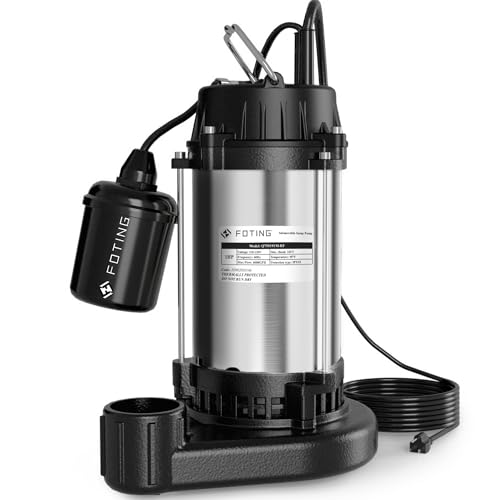
FOTING 1HP Sump Pump For Septic Tank
The FOTING model relies on a 1HP PSC motor to deliver up to 6000 GPH, with a lift capability up to 32 feet. The rugged body uses cast iron and stainless steel for durability in demanding wastewater environments, complemented by a reinforced anti-clogging impeller and a 1-1/2″ discharge. A tethered float switch provides automatic operation, and the pump ships with a 10-foot power cord for straightforward setup. This combination makes it suitable for basement, sump basin, and septic-tank applications. Important caution: never lift the pump by its power cord to prevent damage.
In septic contexts, the FOTING unit’s high flow rate and solid design help move effluent efficiently while minimizing clogs from typical solids. The combination of heavy-duty construction and automatic start/stop reduces the need for frequent manual intervention, which is especially valuable in below-grade installations where access may be limited.

VIVOHOME 1HP Sump Pump For Septic Tank
VIVOHOME’s 1HP submersible sewage/eiffuent pump offers strong performance with 5220 GPH and a maximum head of 24 feet. It uses a high-efficiency oil-filled motor designed for reliable operation in challenging wastewater tasks, and a 2″ NPT discharge supports standard septic piping. The pump includes a 14.4-foot power cord and a piggyback plug that enables both manual and automatic operation via an adjustable float switch. The float switches activate around 18.5 inches and shut at about 4.1 inches, helping prevent dry running and protecting the motor.
Safety and durability features include thermal overload protection, which automatically shuts the motor if temperatures become excessive, helping prevent damage in long-running cycles. The unit is designed to stay submerged during operation and should not operate in water hotter than 104°F. A metal ring on top aids handling and tethering during installation and maintenance, an important consideration in septic deployments where access is limited.

Zoeller M98 Flow-Mate Automatic Sump Pump
The Zoeller M98 is a compact, dependable option featuring a 1/2 HP cast-iron construction and an automatic integral float switch. It has a 1 1/2″ discharge and is designed to pass solids up to 1/2″. Its performance is rated at 72 gallons per minute at a 5′ head, with a shut-off at about 23′ total dynamic head. This makes it a strong choice for residential sump pits and septic-tank applications where space is tight and reliable start-up matters.
Its simple, proven design supports easy installation and low maintenance. With a robust iron body and a tested float switch, the M98 is well-suited for smaller septic pits or basements that require steady, dependable pumping without excessive noise or complexity. It’s a practical option when space or budget is a primary concern.

Superior Pump 93015-U Cast Iron Sump Pump
The Superior Pump 93015-U offers a durable 1/2 HP cast-iron construction with a 2″ discharge and a tethered float switch paired with a piggyback plug for straightforward auto/manual operation. It is designed to handle up to 2″ spherical solids, which helps in basements where debris is common. The unit’s simplicity makes it reliable for everyday sump and septic sump tasks where quiet operation and ease of maintenance are valued. This model is particularly suitable for homeowners seeking a cost-effective, dependable option.
While not a grinder-style pump, the 93015-U’s solid build and larger discharge diameter help prevent bottlenecks in typical septic effluent setups. Consider pairing with an appropriate check valve and regular maintenance to ensure consistent performance in long-term septic applications.
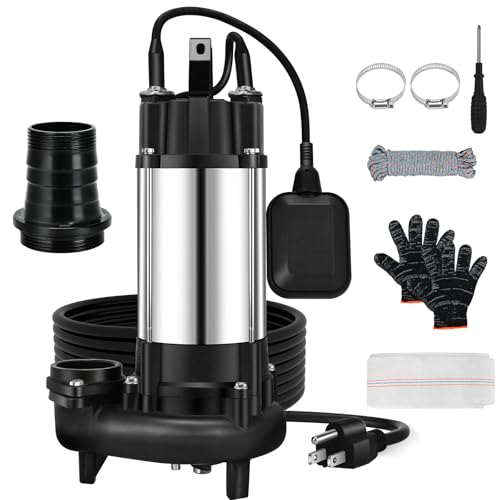
Schupethauer 1HP Sewage Sump Pump Grinder
This 1HP unit is built as a sewage grinder pump with stainless steel housing and a cast iron impeller, designed to move up to 6400 GPH with a lift up to 40 feet. It features a 2″ NPT discharge, an automatic float switch, and is well-suited for basement or residential sewer and septic-system tasks. The grinder capability helps reduce solids to promote smoother flow through septic lines, reducing the risk of clogs in challenging environments.
Using a grinder pump can be advantageous in septic contexts where larger solids are present. It’s important to follow installation guidelines and avoid improper handling, such as lifting by the power cord. This model provides a robust option for those seeking stronger solids handling and the ability to manage more demanding septic effluent conditions.
Buying Guide
Choosing a sump pump for a septic tank involves balancing flow, head, durability, and solids handling. Here are key purchase considerations and how to compare options:
- Flow rate vs. head: For septic tanks, aim for higher GPH with sufficient head to reach your discharge line. Pumps like the FOTING model deliver up to 6000 GPH with a 32 ft lift, while others offer solid performance at lower heads.
- Discharge size and solids handling: A 2″ discharge helps in avoiding bottlenecks, and models with reinforced impellers or grinder capability handle solids more effectively in septic environments.
- Materials and durability: Cast iron or stainless steel housings resist corrosion from wastewater and provide longer service life in below-grade installations.
- Automatic operation vs manual control: Float switches (tethered or integrated) determine how reliably a pump starts with changing water levels. Consider piggyback plugs for easy auto/manual operation.
- Solids passage and impeller design: Pumps that pass larger solids reduce clogging risk in septic systems. A grinder pump can be preferable when solids content is high.
- Electrical considerations: Check voltage compatibility, included cords, and the feasibility of backup power options for critical basins.
- Installation and maintenance: Look for ease of installation, accessible serviceability, and compatibility with check valves and cleanouts common in septic setups.
- Warranty and service: A strong warranty and available customer support are important for septic-system longevity and peace of mind.
- Septic-specific considerations: Some pumps are explicitly labeled for septic tanks or residential septic-use; others are general purpose sump pumps that may require additional components to suit septic systems.
Septic Tank Usage and Accessories
When selecting a pump for septic tanks, prioritize units with higher discharge, robust solids handling, and reliable automatic operation. Grinder pumps add an extra layer of capability for handling solids, especially in systems where waste composition can vary. Always ensure compatibility with local codes, pipe sizing, and any required check valves or alarms. Regular inspection and maintenance help sustain pumping efficiency and protect the septic system’s longevity.